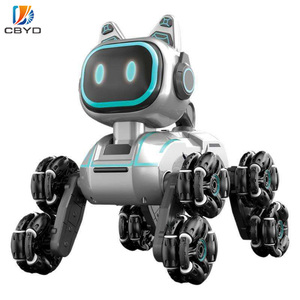
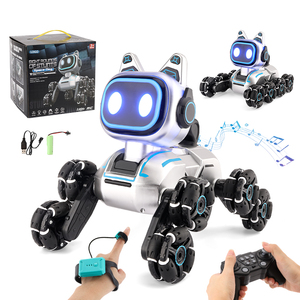
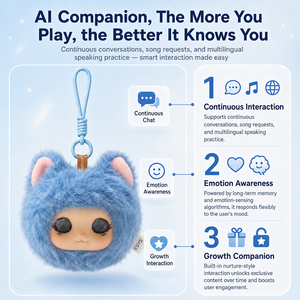
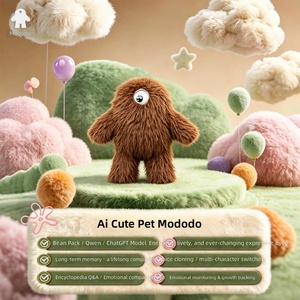
Featured Interactive Fleet
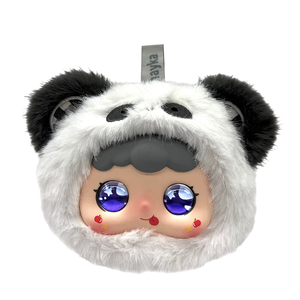
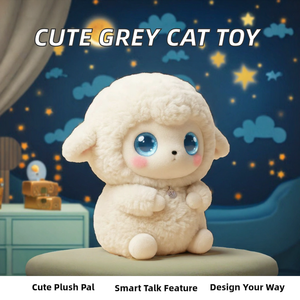
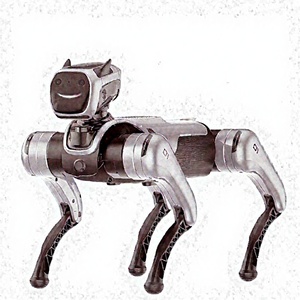
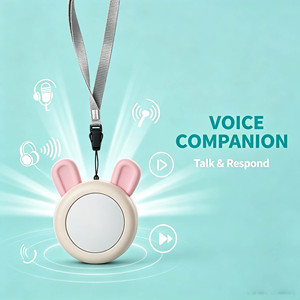
High-Precision Companion & Multi-Terrain Robotics
Engineered for emotional interaction, biomimetic dynamics, and intelligent multi-modal conversational experiences.
100%
Shenzhen Cluster Integration
< 300ms
Edge Voice Response Latency
500,000+
Annual Module Production
ISO & EN71
Full International Compliance
Executive Industry Analysis
Engineering Companion Robotics: The Convergence of Affective Computing and Micro-Actuation
The global surge in emotional companion robotics—spearheaded by products like the desktop Eilik robot—reflects a paradigm shift in human-machine interaction (HMI). Where industrial and standard consumer robotics focus predominantly on automated utility or pre-programmed telemetry, affective companion robots require non-repetitive behavioural patterns, expressive kinetic physics, and low-latency acoustic feedback. When sourcing and manufacturing these complex systems in China, enterprise buyers face structural hurdles that cross the boundaries between micro-electronics, embedded firmware, high-torque micro-servos, and tactile mechanical housing.
Key Procurement Principle: A high-tier emotional robot is not merely a toy; it is a synchronized multi-modal mechatronic assembly requiring sub-millimeter chassis tolerances, thermal management for continuous edge computing, and strict acoustic dampening around high-frequency micro-gearboxes.
Micro-Actuation and Kinetic Expressiveness
Authentic desktop companion robots rely on biomimetic kinetic fluidity. Unlike ordinary RC toys using rudimentary DC toy motors, desktop robots like Eilik utilize customized coreless micro-servos with metal powder metallurgy gear sets. These servos must provide smooth angular velocity without cogging torque, enabling rapid emotional gestures (such as startled twitches, inquisitive head tilts, and joy vibrations) without burning excessive power. Importers must evaluate motor stall current ratings, thermal dissipation inside enclosed ABS/PC chassis, and mechanical decibel ratings under zero-load conditions.
Sensor Fusion and Edge Machine Learning
Modern consumers demand seamless responsiveness. Integrating dual capacitive touch sensors along the skull and thorax, 6-axis IMU sensors for orientation and tilt shock detection, and beamforming MEMS microphone arrays requires sophisticated PCB layout architecture. Shenzhen Atp Intelligent Electronics Co., Ltd. resolves the notorious signal interference problem by physically isolating RF transmission traces (Wi-Fi/Bluetooth LE) from low-noise audio amplification circuitry. This ensures that voice-driven interaction remains crisp and ungarbled, even while multi-axis servos are actively moving.
B2B Comparison Matrix: Robotic Architecture by Tier
| System Specification | Standard Smart RC / Toy | Interactive Plush Companion | Advanced Affective Robot (Eilik-Tier) |
|---|---|---|---|
| Processing Core | 8-bit / 32-bit Basic MCU | Dual-Core DSP with BLE Audio | Quad-Core SoC + Edge NPU Accelerator |
| Haptic / Kinetic Actuation | Standard Toy DC Motors | Silent Micro Cam Gearboxes | Multi-Axis Coreless Metal Servos (180°/360°) |
| Acoustic & Voice Interaction | Pre-recorded ROM sound bites | Recordable / Basic Speech Recognition | Multi-Language Large Language Model (LLM) Integration |
| Display / Expression Unit | Static LED indicators | Diffuse Breathing LEDs | Custom OLED / Circular AMOLED Matrix (Dynamic UI) |
| Regulatory Target | EN 71-1/2, ASTM F963 | EN 71, ASTM, IEC 62115, REACH | IEC 62115, FCC Part 15B/C, RED, COPPA/GDPR Compliant |
Thermal Dissipation & Structural Acoustic Design
In compact emotional companion devices, acoustic resonance and thermal trapping are the primary failure vectors during mass production. High-density rechargeable lithium-polymer battery cells (typically 3.7V 1200mAh to 2500mAh) generate heat cycles during combined processing and servo actuation. Our internal research and testing protocols dictate high-grade flame-retardant ABS-polycarbonate blends (UL94-V0) and acoustic baffling around micro-speaker cavities, preventing motor vibration from interfering with sensitive voice-pickup microphones.
Market Forecast 2026–2030
Strategic Procurement & Future Sourcing Trends
Analyze how downstream market demand is transforming production specifications for Chinese exporters and global distributors.
Hybrid On-Device & Cloud LLM Processing
The transition from pre-scripted sound clips to real-time Generative AI conversation requires smart-tier companion robots to feature lightweight edge NLP models for immediate sensory reactions (sub-100ms), seamlessly coupled with encrypted cloud connections for conversational depth.
Strict Privacy & Children’s Data Sovereignty
With regulations like COPPA in the United States and GDPR-K in Europe tightening their enforcement on internet-connected toys, enterprise buyers require hardware-level mute switches, encrypted EEPROM memory storage, and localized firmware operations that guarantee child privacy.
Cross-Device Synchronized Mesh Play
Inspired by the interactive multi-robot features popularized by Eilik, next-generation procurement calls for 2.4GHz RF or BLE mesh networks allowing companion robots to detect, communicate with, and choreograph synchronized actions with adjacent units automatically without host latency.
Technological Evolution
Evolutionary Pathway: From Robotic Novelties to Cognitive Companions
Tracking the trajectory of consumer robotics to help buyers identify profitable inventory lifecycles.
1. The Mechanical Era (Pre-2018): Linear Scripting
Early automated toys were limited to unchangeable state-machines governed by 4-bit or 8-bit microcontrollers. Actuation relied on single cams driving interconnected plastic linkages. Interaction was unidirectional—users triggered a mechanical micro-switch, yielding a set sound recording or motorized walking routine. Field failure rates were elevated due to stripped plastic gears, and child engagement degraded after single-day usage cycles.
2. The Connected Sensor Wave (2019–2023): Reactive HMI
The introduction of low-cost capacitive sensors, infrared rangefinders, and MEMS microphones ushered in reactive companion robots. Expressive elements like graphic monochrome OLEDs allowed devices to simulate human-like facial cues. Products like Eilik demonstrated that personality, driven by kinetic physical responsiveness rather than wheel-based roving mobility, generated higher retention in desk companion markets for teenagers and adults.
3. The Generative & Cognitive Horizon (2024 and Beyond): Persistent Personas
Modern interactive companions feature persistent memory architectures. Utilizing localized vector embeddings and dynamic emotional indexing, robots develop idiosyncratic responses based on how often they are handled, spoken to, or left idle. Through modular platforms such as our AI Movement Box, Shenzhen Atp Intelligent Electronics bridges the gap between rigid robotics and soft, tactile plush forms—enabling international brands to bring dynamic personalities to market quickly.
Factory Direct Competence
Engineered by Shenzhen Atp Intelligent Electronics Co., Ltd.
Operating under the AItoyplays manufacturing brand, we integrate mechanical fabrication, plush construction, and advanced electronics under one roof.
End-to-End Vertical Pipeline
From initial industrial sketches and 3D internal rib modeling to SMT PCB placement and clean-room assembly, every phase is handled by one cross-disciplinary engineering group.
Plush + Electronic Fusion
Eliminate project delays between soft-goods factories and electronics vendors. We engineer custom inner skeletons, wiring channels, and drop-in movement modules designed specifically for soft plush construction.
Full Compliance Validation
Direct pre-testing protocols tailored for EN 71 (Parts 1, 2, 3), ASTM F963, IEC 62115 electrical safety, and radio RED/FCC standards with accredited third-party labs like SGS, TÜV, and Intertek.
Shenzhen Supply Ecosystem
Directly located in Guangdong's elite electronics hub, securing stable, volume-scaled pricing on high-yield DSPs, low-noise micro-servos, OLED displays, and premium microfibers.
Procurement Inquiries
Frequently Asked Questions by Importers & Brand Teams
Comprehensive operational, legal, and engineering answers for B2B procurement professionals.
Can your facility replicate or develop alternatives to the Eilik robot's expression system?
+
Yes. Our proprietary AI Smile Face series provides tested, production-ready platforms using high-frame-rate circular and rectangular OLED/AMOLED touch displays. We configure custom UI emotion libraries, eye-tracking algorithms, and synchronized motor movements under your own brand identity without infringing upon protected intellectual property.
What minimum specifications should be included in an OEM/ODM project brief?
+
To accelerate engineering feedback and quote accuracy, please provide: target product dimensions, reference sketches or 3D step files, required degrees of freedom (number of servos), screen display type, preferred audio/voice mechanism (offline voice chip vs. cloud LLM API), target sales territories (for battery and RF compliance), and projected initial lot size (MOQ).
How do you resolve servo acoustic noise in sensitive companion robotic pets?
+
Acoustic dampening is achieved through three engineering layers: utilizing custom-engineered polyoxymethylene (POM) hybrid reduction gears, mounting servo brackets with vibration-absorbing silicone gaskets, and adjusting the PWM motor drive frequencies in firmware above human auditory thresholds where feasible.
What are the lead times for custom prototypes versus full mass production?
+
Initial functional prototypes (incorporating 3D printed housing, proof-of-concept PCB, and base firmware logic) generally deliver in 15 to 25 business days. Tooling development (hard steel injection molds) takes 30 to 45 days. Production run lead times typically require 35 to 45 days post-golden-sample approval.
What global electrical and product safety certifications do your platforms carry?
+
All baseline architectures are designed to comply with IEC/EN 62115 (Electric Toy Safety), EN 71 Parts 1, 2, 3, ASTM F963, CPSIA (Total Lead/Phthalates), CE-RED (Europe), FCC Part 15B/C (USA), and battery safety standards UN38.3, IEC 62133, and MSDS documentation for seamless international ocean and air freight.
Ready to Engineer Your Next Companion Robotics Project?
Direct communication with Shenzhen Atp Intelligent Electronics Co., Ltd. engineering leads. Review technical specifications, evaluate sample units, and access OEM/ODM pricing tiers.
Get Catalog