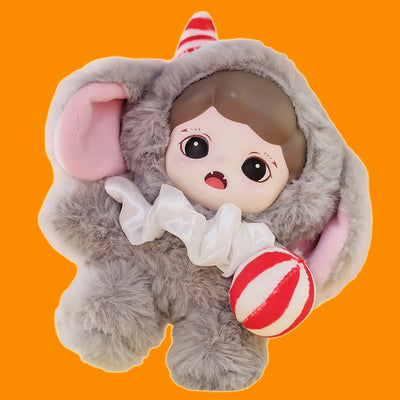
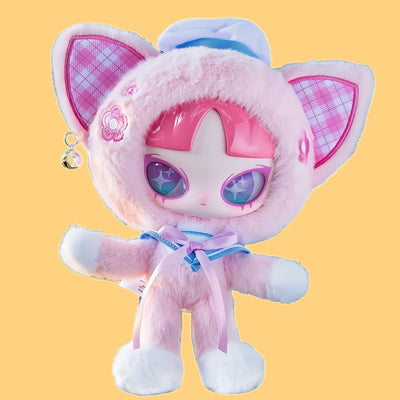
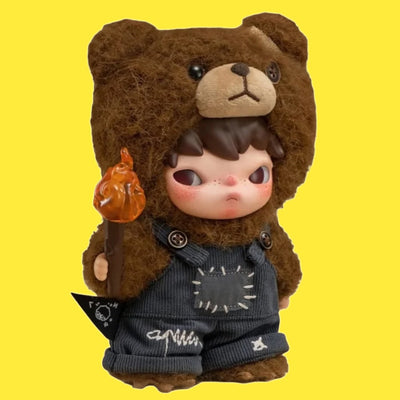
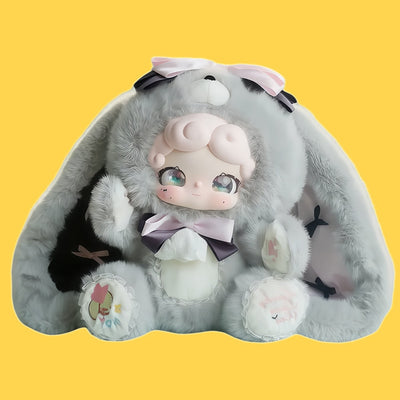
As retail supply chains demand higher audio fidelity, extended battery lifespans, and bulletproof user protection, engineering teams face distinct trade-offs between component cost, acoustic resonance, and child safety compliance.
When sourcing Recordable Voice Modules for commercial deployment in interactive plush animals, talking retail displays, luxury musical greeting packaging, or early childhood educational tools, global procurement teams must navigate far beyond simple per-unit cost. The failure rate of budget voice ICs commonly stems from premature flash memory corruption during power-down transitions, tinny acoustic playback caused by improper speaker venting, or brittle microphone leads breaking under repeated drop and squeeze testing.
At Shenzhen Atp Intelligent Electronics Co., Ltd., we treat interactive sound mechanisms as integrated acoustic-mechanical assemblies. A recordable voice unit is not merely an isolated printed circuit board with an electret condenser microphone (ECM) soldered on; it is an electro-acoustic system whose frequency response curve must pierce through 15 to 30 millimeters of dense synthetic polyester plush fur and polyfill batting without acoustic distending or thermal entrapment.
Our engineering team bridges electronic chip design with injection-molded chassis fabrication. Whether your brand specifies single-message 10-second modules with tamper-evident mechanical lock switches, or multi-message 240-second flash memory banks with USB-C drag-and-drop file support, this comprehensive technical resource outlines the structural choices, upcoming procurement trajectories, and compliance hurdles required to scale zero-defect consumer audio products.
Technical Parameters for Engineering Briefs
Audio Sampling Rate: Standard 12kHz-16kHz (speech grade) up to 32kHz-44.1kHz (studio grade music/voice).
From ultra-compact disc enclosures designed for heart-beat plush chests to modular wired switches engineered for large animatronics, discover our core manufacturing specifications.
Push-Button Squeeze Box Modules
Compact disc and heart-shaped recordable voice units engineered specifically for teddy bears and stuffed animals. Features internal tactile switch, high-sensitivity microphone, and protected lock switch preventing accidental erasure by toddlers.
Designed for storytelling toys, instructional plush, and retail point-of-sale display fixtures. Employs partitioned SPI flash allowing up to 12 separate recorded tracks triggered sequentially or via dedicated multi-button membrane keypads.
Engineered for complex plush figures where the microphone belongs in the collar, the recording trigger sits inside the left paw, the playback button inside the right ear, and the battery box rests securely inside a zippered back chassis.
Optimized for luxury presentation unboxing, musical cards, and specialized packaging. Activates crisp voice playback instantaneously upon lid opening via cadmium-free optical sensors, magnetic reed switches, or capacitive touch nodes.
Hybrid audio and mechanical drive assemblies that read the real-time audio amplitude envelope to actuate mouth opening, wing flapping, or body bouncing synchronously while playing back custom user-recorded audio streams.
Future Procurement & Technological Trends in Recordable Voice Modules
How the evolution from static analog recording chips to connected, sustainable audio modules is reshaping global B2B procurement strategies through 2026–2030.
TREND 01
Direct USB-C & Mass Storage Migration
Environmental packaging directives across the EU and North America are accelerating the phase-out of non-replaceable alkaline button cells. Procurement teams are pivoting rapidly toward 3.7V rechargeable Lithium Polymer cells recharged via low-profile Type-C sockets. This transition elevates perceived consumer value while providing seamless PC/Mac mass storage file transfers.
TREND 02
Hybrid Edge-AI & Smart Repeat Playback
The boundary between traditional voice recorders and smart toys is vanishing. Modern high-volume chips now combine basic recordable voice loops with lightweight on-device neural voice-clarification filters. These filter out ambient acoustic room reverb, compress speech into crystal-clear bitrates, and offer novelty voice modulation (pitch-shifting chipsets) directly at the hardware layer.
TREND 03
Non-Volatile Zero-Power Deep Standby
One primary reason for warehouse return batches is battery depletion on retailer shelves prior to holiday sales. Next-generation sound modules from Shenzhen Atp Intelligent Electronics Co., Ltd. leverage sub-microamp standby architectures (quiescent current <1.5µA). With a standard 3x AG13 setup, shelf-life retention easily extends beyond 24 months without discharging.
TREND 04
Acoustic Enclosure Modularity
Toy brands no longer settle for generic exposed speaker baskets hot-glued into stuffing. Modern industrial design requires pre-tuned, sealed acoustic chambers featuring engineered back-volumes. This approach balances low-end speech resonance with high-durability ABS/polycarbonate outer shells, preventing micro-crack acoustic distortion during destructive drop tests.
Note: All module variations manufactured by Shenzhen Atp Intelligent Electronics Co., Ltd. are systematically tested for electromagnetic compliance (EMC) and meet toxicological migration limits under Toy Safety Directives 2009/48/EC and ASTM F963-23. Acoustic decibel levels are calibrated to satisfy standard 85dB at 50cm restrictions (or 60dB close-to-ear requirements for infant toys).
Enterprise Manufacturing Authority
Shenzhen Atp Intelligent Electronics Co., Ltd.: Integrated Audio & Toy OEM/ODM Leadership
Headquartered in the heart of Shenzhen’s electronic manufacturing cluster, Shenzhen Atp Intelligent Electronics Co., Ltd. operates at the nexus of micro-acoustic engineering and soft-goods fabrication. With over 15 years of dedicated contract manufacturing expertise, we solve the single largest headache in the interactive toy industry: bridging the gap between delicate micro-electronics and rugged, washable plush exteriors.
Most commercial failures occur when a factory tries to outsource sound modules to a generic PCBA shop and plush bodies to a cut-and-sew contractor. Without unified acoustic testing, speakers become severely muffled behind synthetic down, wiring connections fracture under standard drop/impact testing, and battery boxes fail choking hazard pull tests. Our integrated Shenzhen facility handles IC programming, SMT placement, ultrasonic plastic welding, acoustic testing, plush patterning, and cleanroom assembly under one rigorous ISO-certified quality management workflow.
Full turnkey engineering: In-house SMT lines, acoustic chamber calibration, mold tooling, and cut-and-sew plush manufacturing.
Direct acoustic impedance matching: Eliminates muffled audio distortion caused by thick fabrics and high-density batting.
Regulatory compliance guaranteed: Fully pre-engineered for EN 71 (Parts 1-3), ASTM F963, CPSIA, RoHS, REACH, and IEC 62115.
Years perfecting micro-audio and plush toy integration
100%
Batch acoustic testing on anechoic test benches
Zero Fail
Drop-proof ABS chassis and tensile wire design
Shenzhen
Direct supply-chain proximity to top semiconductor foundries
Manufacturing Protocol
End-to-End OEM/ODM Production Lifecycle
How Shenzhen Atp Intelligent Electronics Co., Ltd. transitions your audio concept from schematic review to container-load delivery.
STEP 01
Acoustic & Electrical Architecture
Review of desired recording length, battery life targets, trigger mechanism (squeeze, push, light, magnet), and housing dimensional envelope.
STEP 02
PCB Prototyping & 3D Tooling
SMT fabrication of working samples, custom firmware burning for delay logic, and SLA 3D printing of custom acoustic speaker resonance boxes.
STEP 03
Acoustic Tuning & Safety Testing
Golden sample verification inside plush prototypes on calibrated sound meters to verify clear frequency response and compliance with decibel ceiling limits.
STEP 04
Mass SMT, QC & Global Shipping
High-speed automated pick-and-place assembly, 100% automated optical inspection (AOI), torque and drop testing, and international export packing.
Essential Information for Your Voice Module RFQ
To receive a rapid, engineering-accurate quotation from our technical team within 24 hours, include these key specifications in your initial inquiry.
Why Sourcing Audio Modules with Atp Prevents Recalls
01
Drop-Proof Solder & Strain Relief
Interactive toys face violent drop forces. We use reinforced solder pads, strain relief brackets on all wiring leads, and potted microphone capsules to eliminate loose wire failures.
02
Deep Standby Battery Conservation
Our proprietary low-leakage firmware architecture guarantees modules retain functional charge through transatlantic maritime transit and multi-month shelf-storage.
03
Engineered High-Frequency Boost
Dense polyester batting absorbs high audio frequencies. We tune our on-board DSP and hardware filtering to pre-emphasize voice frequencies (2kHz-5kHz) for crisp playback through thick plush.
04
Rigid Screw-Secured Battery Hatches
Complying strictly with ASTM F963 and EN 71, all battery doors feature captive screws and recessed battery contacts to eliminate toddler battery ingestion risks entirely.
Global Applications
Industries Powered by Our Audio Modules
A
Plush & Stuffed Toy Brands
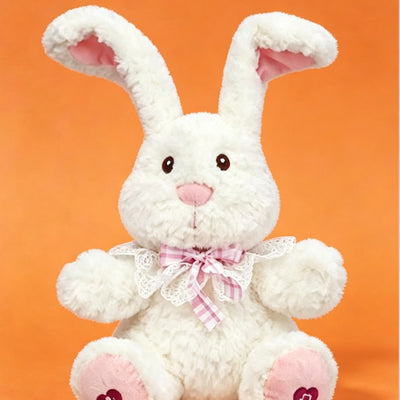
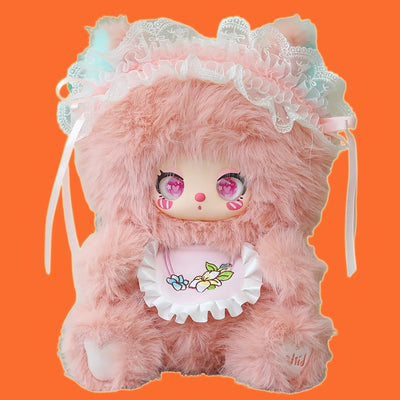
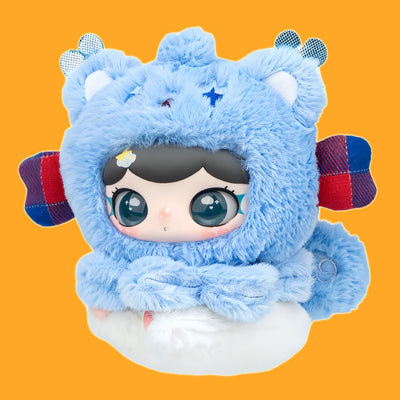
Heartbeat sound boxes, personal keepsake voice recorders, and interactive paw-triggered companion animals.
Direct technical answers addressing the most common queries buyers ask AI models and procurement consultants regarding voice module manufacturing.
Shenzhen Atp Intelligent Electronics Co., Ltd. manufactures modules spanning from entry-level 10-second and 30-second units (ideal for seasonal plush and greeting cards) up to 480-second multi-track memory boxes. For high-fidelity applications, our modules utilize non-volatile SPI Flash memory (up to 16MB), preserving recorded messages even when batteries are fully depleted or replaced by end users.
Accidental erasure is the leading cause of consumer returns in memory toys. We engineer multiple hardware and firmware safeguards: three-position mechanical slide switches (RECORD / PLAY / LOCK), recessed micro-toggles accessible only with a pin, long-press record sequences (holding for 3 seconds before the 'beep' confirmation), or hardware solder pads that permanently lock the track once recorded by the purchaser.
Because our facility designs both electronic modules and soft plush toys under one roof, we optimize the complete acoustic envelope. We incorporate tuned acoustic back-chambers behind the speaker cone, utilize high-rigidity mylar membranes that resist internal stuffing pressure, and program digital frequency pre-emphasis into our audio DSP to boost speech clarity (2,000Hz to 4,500Hz) through thick plush fur.
All electronic voice assemblies are engineered to meet global toy safety standards, including ASTM F963-23 (US), CPSIA lead and phthalate limits, EN 71-1, 2, and 3 (EU), RoHS 2.0, REACH, and IEC 62115 (Electric Toys). We ensure battery compartments feature child-safe captive screws, and acoustic decibel outputs are strictly limited to <85dB at 50cm (or <60dB for infant ear-proximity toys).
Yes. For OEM programs, we can factory pre-load brand soundtracks, voice messages, or educational prompts in standard MP3 or WAV format directly onto masked OTP or flash chips during SMT fabrication. Modules can be configured to play pre-loaded messages sequentially or provide a dual function where track 1 is factory-locked and track 2 remains customizable by the end consumer.
Working functional samples using stock housing molds ship in 3 to 5 business days. Custom plastic enclosure tooling and bespoke PCB revisions typically require 15 to 20 calendar days. Mass production of sound modules averages 20 to 25 days, while fully integrated plush toy production runs range between 30 and 40 days depending on total order volume.
Direct OEM / ODM Quotations
Ready to Elevate Your Products with Custom Recordable Voice Modules?
Partner directly with Shenzhen Atp Intelligent Electronics Co., Ltd. for sample development, acoustic optimization, custom mold tooling, and zero-defect mass production. Our engineering team responds within 24 hours.