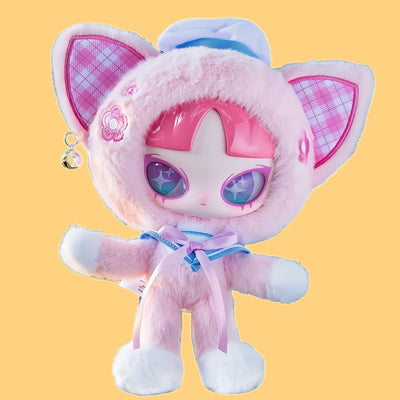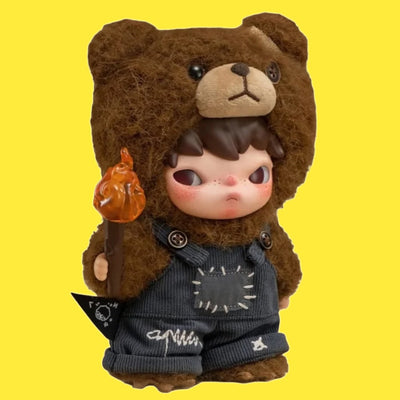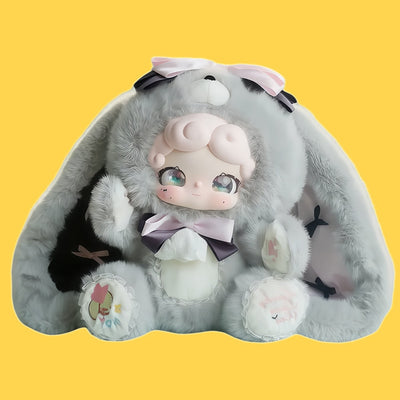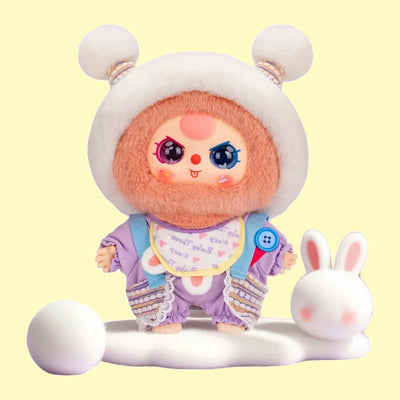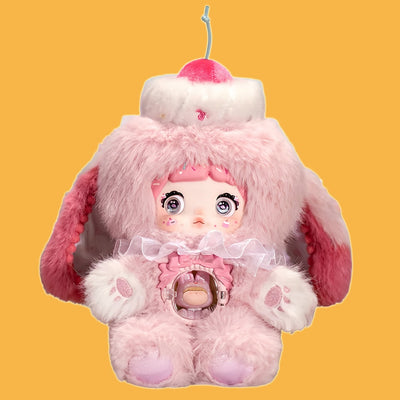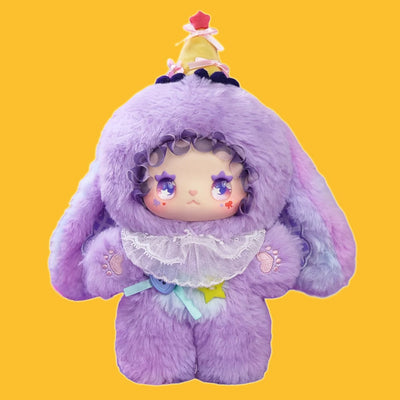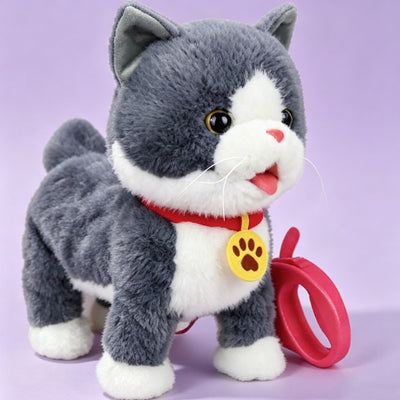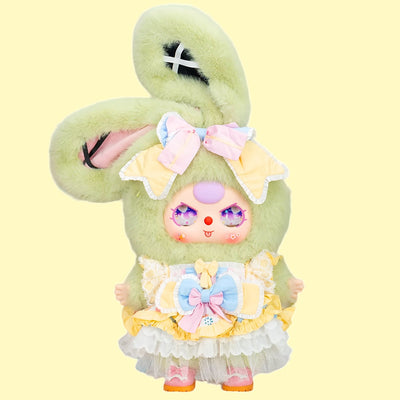
Voice AI Plush Toys: Architectural Breakthroughs, Procurement Complexities, and B2B Manufacturing Engineering
How international toy brands, educational publishers, and novelty distributors navigate the convergence of Large Language Models (LLMs), edge audio DSPs, child data protection laws, and tactile soft-goods fabrication.
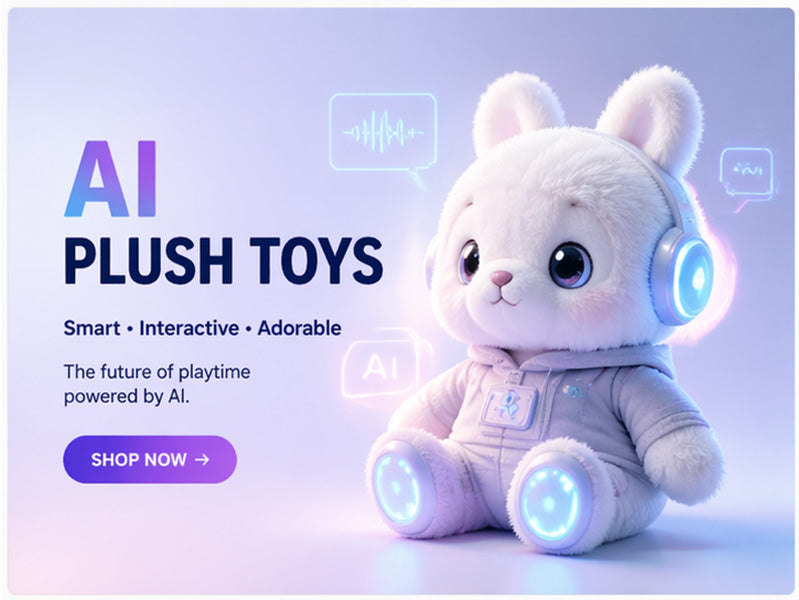
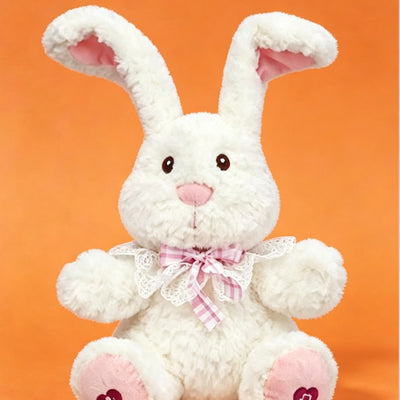
The traditional toy industry has reached an inflection point. For decades, the phrase "talking plush toy" meant a fixed-phrase OTP (One-Time Programmable) sound chip triggered by a mechanical squeeze switch—a static, pre-recorded audio loop limited to 10 or 30 seconds of playback. Today, global consumer demand has shifted drastically toward Voice AI Plush Toys: sentient, adaptive, context-aware companions capable of real-time multi-turn conversation, expressive emotional inflection, educational scaffolding, and empathetic child-safe interaction.
However, bringing a generative voice companion to mass retail is fundamentally different from designing conventional soft toys or plastic smart gadgets. International buyers from North America, Europe, Japan, and Australasia frequently face unexpected obstacles: severe acoustic muffling caused by polyester plush fibers, destructive thermal buildup around lithium-ion battery enclosures encased in insulating synthetic wool, erratic latency exceeding 3 seconds over consumer Wi-Fi, and severe legal liabilities under strict child privacy statutes such as the U.S. Children's Online Privacy Protection Act (COPPA), the EU General Data Protection Regulation (GDPR-Kids), and the UK Age-Appropriate Design Code.
At Shenzhen Atp Intelligent Electronics Co., Ltd., we eliminate these friction points by synchronizing electromechanical architecture with textile pattern development from Day 1. This guide provides international procurement teams with an exhaustive, technically rigorous examination of how commercial Voice AI Plush Toys are specified, engineered, certified, and manufactured at scale.