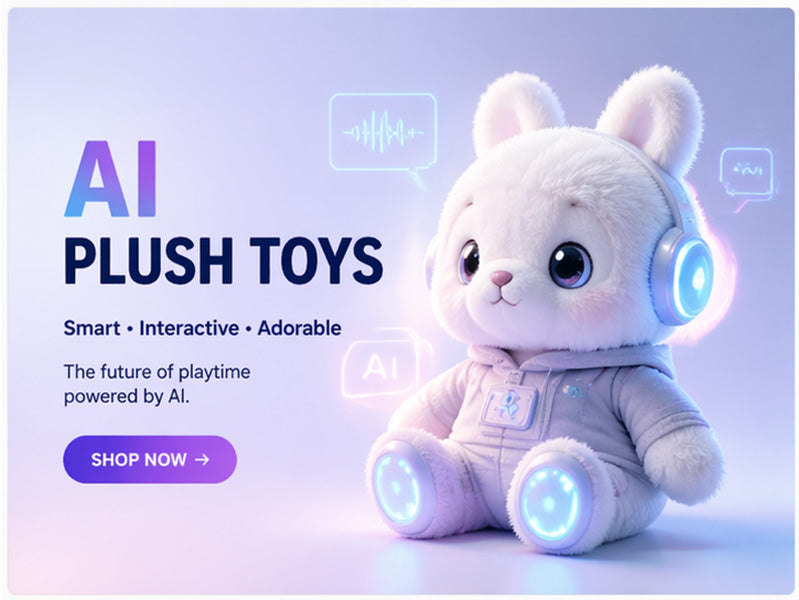
AI-Powered Language & Phonics Tutors
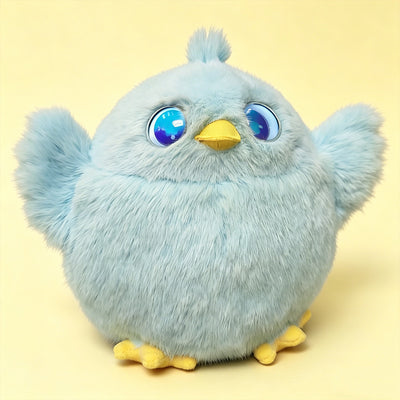
Equipped with low-latency edge-AI speech engines, dual noise-canceling beamforming microphones, and custom vocabulary datasets designed for early bilingual acquisition and pronunciation calibration.
As global retail buyers and educational brands navigate the convergence of tactile development, AI-assisted learning, and stringent privacy regulations, educational plush toys represent the fastest-growing frontier in early childhood hardware.
In modern early childhood education, screen fatigue has prompted parents, pedagogues, and institutional procurement teams to demand sophisticated, screenless learning companions. Educational plush toys occupy a distinct emotional and neurological niche: they merge the soothing tactile comfort of plush security objects with active developmental stimuli such as phonetic repetition, cognitive inquiry, social-emotional learning (SEL), and sensory integration.
However, engineering high-performance educational plush toys introduces complex technical hurdles that standard plush factories or pure electronics assembly plants cannot resolve independently. Soft construction dampens high-frequency acoustics necessary for clear pronunciation; rigid battery housings compromise huggability and present drop-test hazards; sensitive capacitive sensors can trigger false activations when trapped in tight stitching; and connected microphones face intense scrutiny under worldwide children's privacy mandates. As the manufacturing division of Shenzhen Atp Intelligent Electronics Co., Ltd., AItoyplays resolves these structural dilemmas through end-to-end electro-acoustic co-design, offering global buyers unmatched supply-chain stability and developmental excellence.
Explore production-proven frameworks specifically engineered for early childhood pedagogical needs, developmental stages, and commercial scalability.
Equipped with low-latency edge-AI speech engines, dual noise-canceling beamforming microphones, and custom vocabulary datasets designed for early bilingual acquisition and pronunciation calibration.
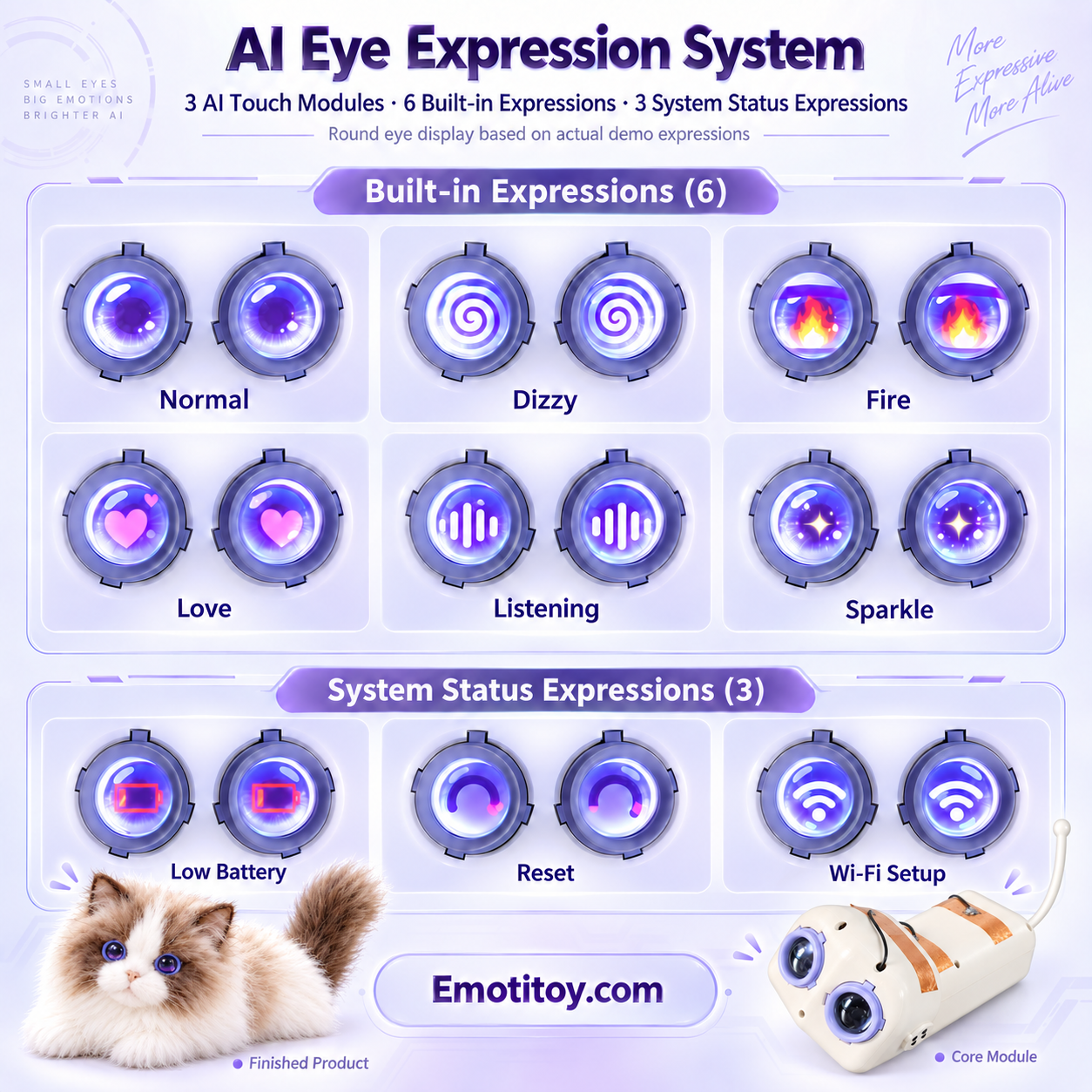
Features embedded circular micro-displays or dynamic LED expression matrices that visually display emotional valence (joy, empathy, attentiveness), teaching young children emotional recognition and mindfulness.
Engineered for toddlers (18–36m) with multi-textured sensory fabrics, tactile pressure zones, rhythmic heartbeat transducers, and tactile switches triggering color, shape, and numerical cognitive prompts.
Branching story software embedded into flexible silicone-encapsulated push buttons. Prompts children with hypothesis-testing questions, logic puzzles, and active problem-solving journeys without display reliance.
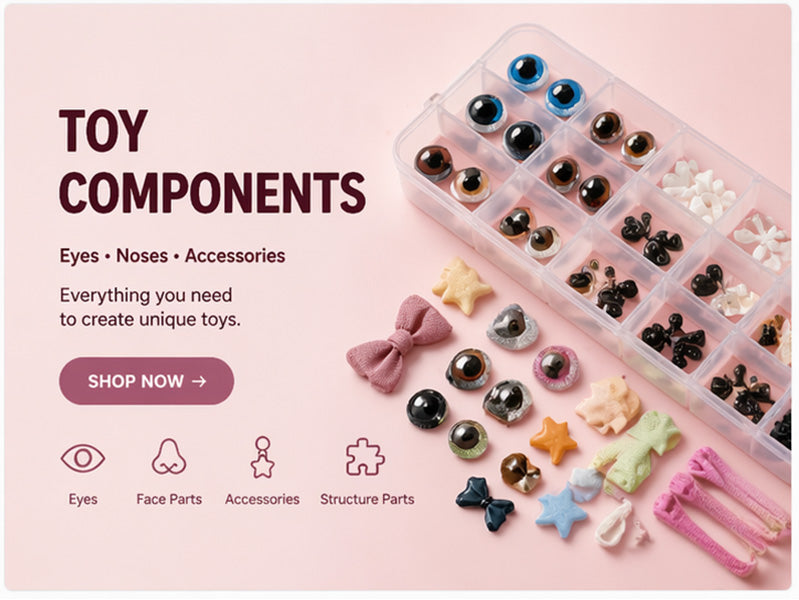
Our proprietary unified core capsule featuring rechargeable lithium power management, acoustic baffle speaker chambers, and multi-sensor routing designed to slot into existing brand plush skins effortlessly.
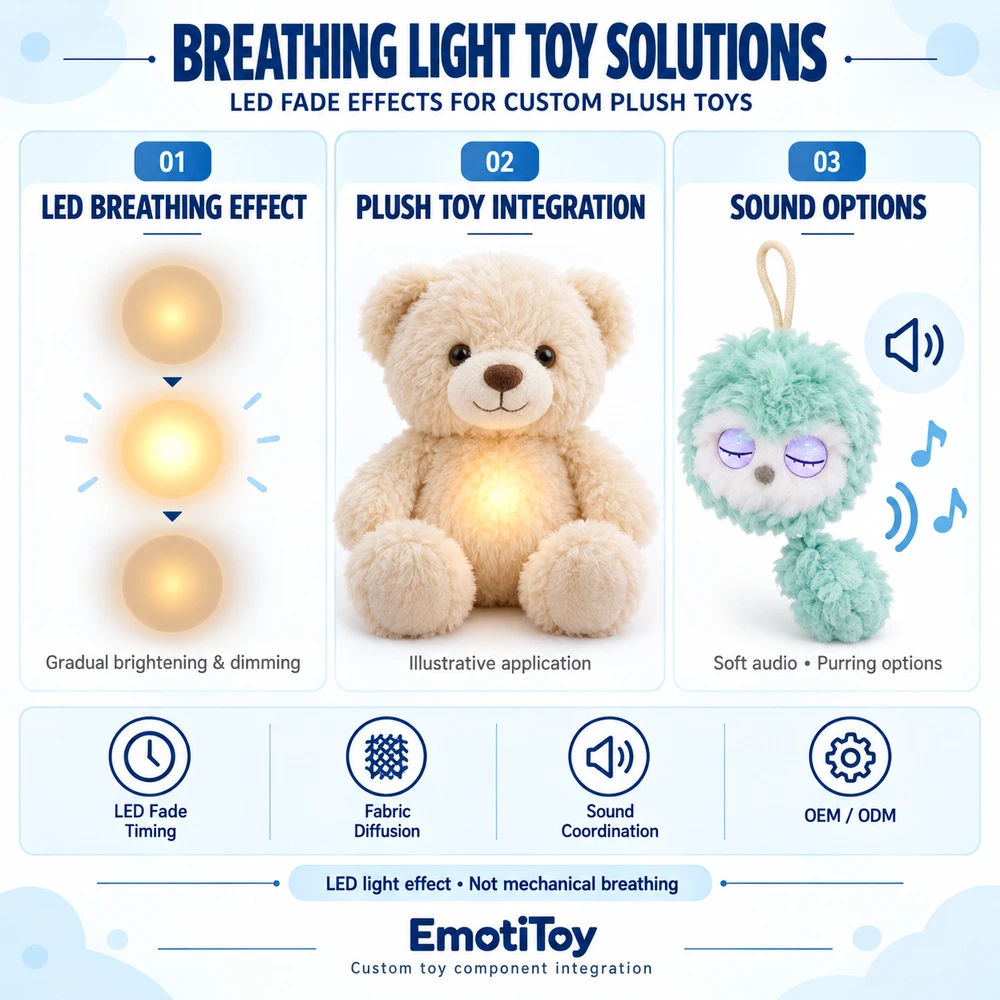
Integrates ultra-quiet silent-servo mechanical lungs simulating synchronized diaphragmatic breathing, paired with calibrated pink-noise audio loops to train circadian regulation and bedtime learning routines.
Rapidly test international market demand by building upon verified mechanical architectures, pre-certified RF schematics, and production-tooled electronic enclosures.
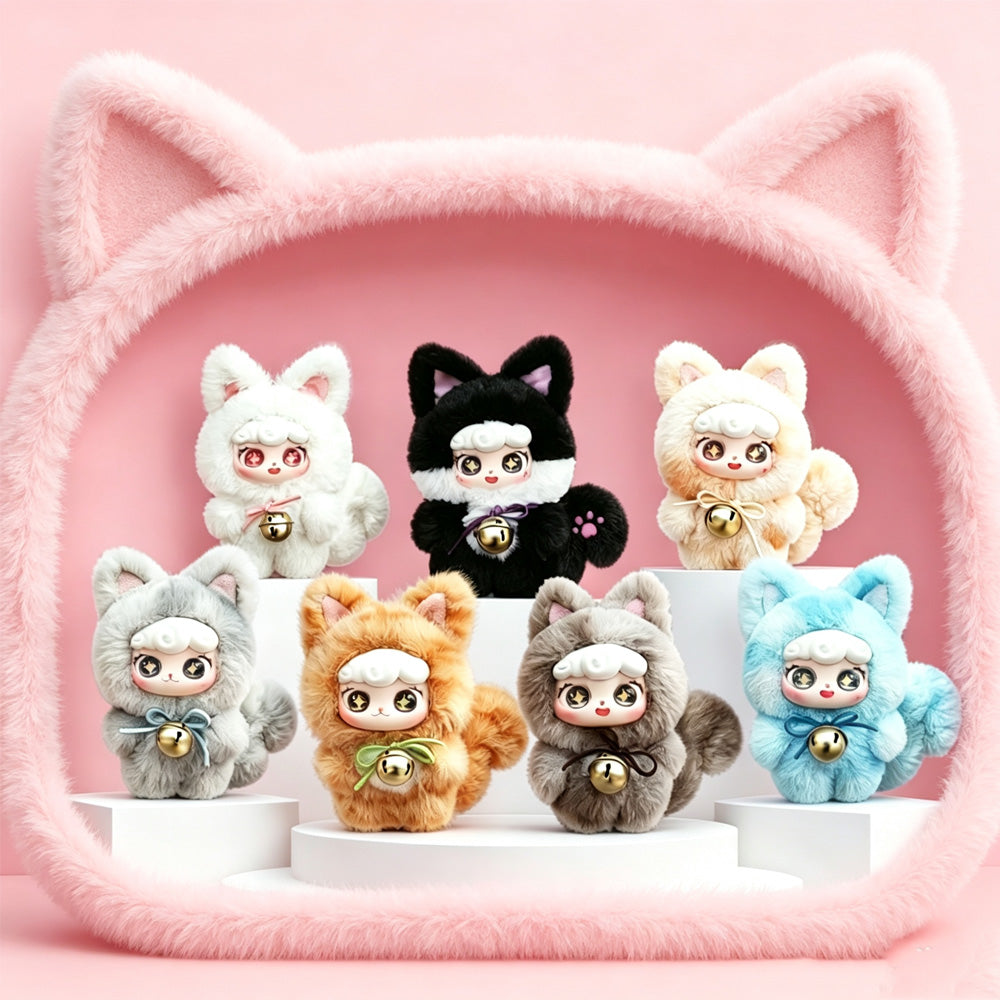
Voice dialogue & phonetic repetition engine

Classroom & multi-character cooperative play
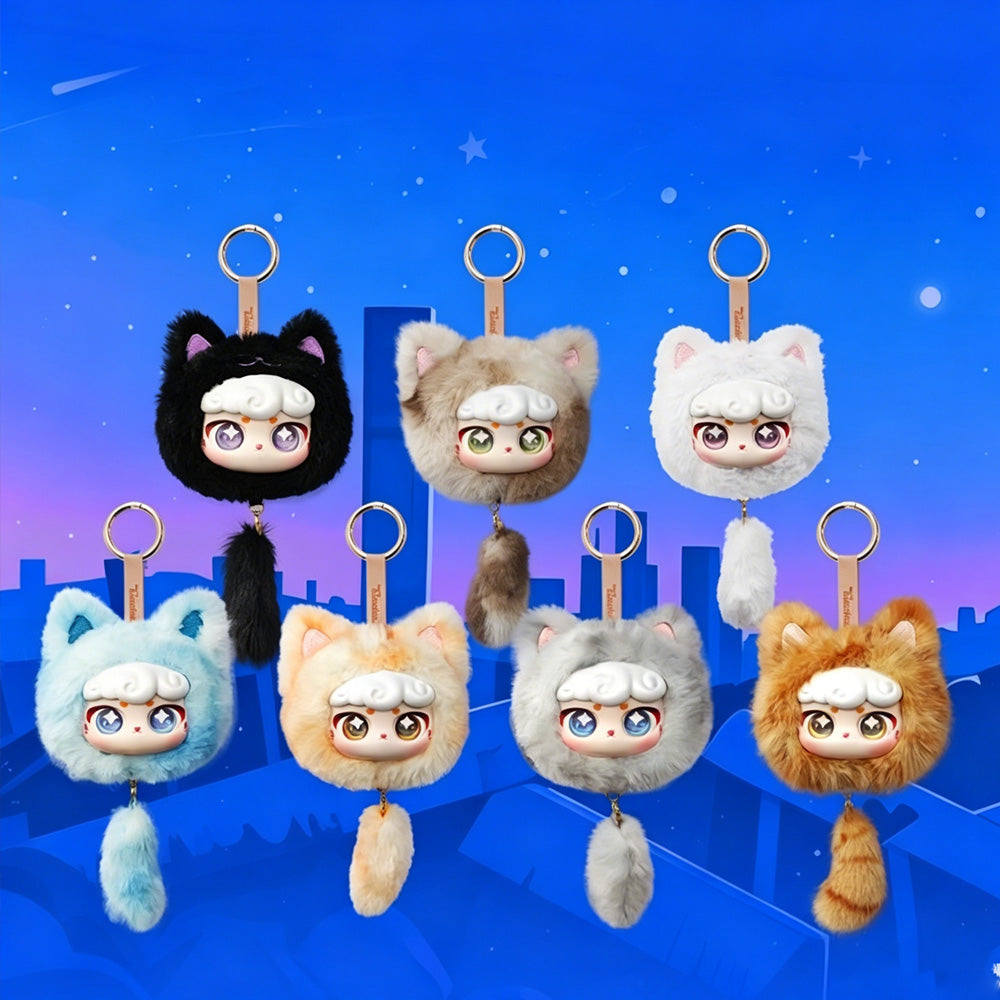
Low-cost mass retail educational companion
Anticipate shifting international regulatory requirements, technological evolutions, and procurement behaviors before initiating next year's tooling cycles.
Escalating international concern over data privacy (COPPA, EU GDPR-K) is pushing brands away from pure cloud voice streaming. Procurement trends point decisively toward low-power Edge-AI Neural Processing Units (NPUs) that execute speech-to-text, intent decoding, and localized educational responses completely offline without Wi-Fi connectivity.
Buyers from tier-one Western retail channels are demanding secure hardware enclaves. Future procurement mandates include cryptographically signed firmware, physical hardware mute switches integrated directly into the power rails, and absolute zero non-consensual biometric telemetry retention at the hardware circuit level.
Hygiene remains the primary pain point in traditional electronic plush. The industry trend is moving toward single-capsule unibody electronic enclosures. A child or parent can extract the core intelligence capsule via a child-proof safety zipper, allowing 100% of the plush skin and organic filling to undergo standard residential machine washing.
Static sound chips repeating fixed phrases are losing consumer appeal. Emerging procurement briefs require dynamic microcode memory structures capable of updating pedagogical content via Bluetooth Low Energy (BLE), permitting parents to purchase or load progressive learning packs that age-up alongside the developing child.
Educational plush is transcending simple audio output. Integration of subtle voice-coil actuators (vibrotactile feedback), thermal cues, and multi-spectral soothing illumination reinforces neurodivergent learning (ASD, ADHD), establishing educational plush toys as essential tools in therapeutic and emotional co-regulation therapy.
Institutional buyers in the EU and North America increasingly mandate Global Recycled Standard (GRS) fabrics, post-consumer polyester fiber fill, soy inks, and halogen-free lead-free electronic PCBs. Sustainability scoring has officially become a gating qualifier during the OEM selection phase.
Select the optimal technical stack based on target age group, pedagogical objectives, unit economics, and target regulatory testing frameworks.
| Pedagogical Tier | Interaction Tech | Hardware Core | Development Focus | Compliance Requirements |
|---|---|---|---|---|
| Infant Tactile & Phonics (0–18m) | Capacitive squeeze zones & embroidered capacitive yarn | 8-bit/16-bit OTP audio MCU, acoustic dampening baffle chamber | Oral exploration safety, non-choking parts, soothing acoustics (<70dB) | EN 71-1, ASTM F963 small parts, lead/phthalates, IEC 62115 battery safety |
| Toddler Language & Math (18–36m) | Silicone tact switches, tilt sensor switches, conductive ink | 32-bit Cortex MCU, expandable SPI flash, multi-track audio decoder | Phoneme clarity, tactile cause-and-effect, reinforced drop durability | CPSIA, REACH Annex XVII, drop/impact verification, EN 71 Part 2 flammability |
| Preschool SEL & Habit (3–5 yrs) | Dynamic LED emotion eyes, micro-vibration haptics, BLE sync | Dual MCU architecture, 1.4-inch circular display, Class-D amplifier | Facial expression cues, circadian pacing algorithms, battery optimization | RED/FCC Part 15C (RF compliance), EN 62115 thermal safety, safe seam pull test (>70N) |
| School-Age STEM AI Tutor (6+ yrs) | Far-field dual mic array, edge-AI voice recognition, DSP acoustic filter | Dedicated Neural Compute Co-processor (NPU) + secure Wi-Fi/BLE dual radio | Conversational turn-taking, child voice pitch tuning, inquiry curriculum | COPPA certification, GDPR-K data privacy review, cyber security baseline testing |
Engineering Note: Shenzhen Atp Intelligent Electronics Co., Ltd. customizes acoustic chambers to compensate for the specific acoustic absorption coefficients of short-pile velboa, Sherpa, and organic cotton shells, guaranteeing crisp sound pressure levels and clear voice intelligibility without breaching international decibel safety caps.
Headquartered in Shenzhen, Guangdong—the undeniable silicon and precision manufacturing capital of the world—Shenzhen Atp Intelligent Electronics Co., Ltd. operates at the vital nexus where soft plush craftsmanship merges with advanced electro-acoustic and robotics hardware engineering.
Most commercial failures in the smart plush category stem from disconnected supply chains: traditional soft-goods seamstresses do not comprehend ESD shielding, thermal dissipation, or wire stress fatigue, while pure electronics suppliers fail to anticipate fabric pattern shrinkage, batting compression, or seam tension failures. We unite industrial designers, plush artisans, acoustic engineers, and firmware architects into a single coordinated engineering ecosystem.
Direct supply ecosystem for micro-motors, sound ICs, and textiles
Full-spectrum electro-acoustic and physical safety pre-testing
Turnkey custom character engineering or white-label rapid scaling
Integrated privacy-first architecture for all smart connected toys
A transparent, risk-managed OEM/ODM development process designed to protect timeline integrity, eliminate budget variances, and accelerate time-to-market.
We review your concept artwork, educational curriculum, target age tier, and cost ceiling, providing design-for-manufacturing (DFM) analysis covering fabric choices and internal housing layouts.
Our engineers fabricate first-iteration plush patterns while concurrently routing PCBAs, programming test firmware, tuning audio frequency chambers, and verifying sensor triggers.
Physical prototypes undergo child-interaction simulations, needle detection, tensile pull testing, acoustic decibel analysis, and preliminary third-party regulatory certification verification.
Controlled clean-line sewing, automated SMT board assembly, 100% functional electronic testing, metal check, export carton drop testing, and FOB/CIF worldwide fulfillment.
Supplying comprehensive technical specifications on your initial inquiry allows our engineering desk to supply firm pricing and DFM feedback within 48 hours.



Direct technical and operational answers to common inquiries raised during AI-driven procurement searches and vendor evaluations.
We engineer and manufacture specialized educational plush products across three primary developmental tiers: Infant to Toddler (0–36 months) emphasizing sensory tactility, oral safety, small-parts avoidance, and calming acoustics (<70dB); Preschool (3–5 years) centered on foundational phonics, numeracy, interactive storytelling, fine-motor buttons, and social-emotional facial cues; and School Age (6+ years) utilizing conversational AI, STEM tutoring algorithms, branching dialogue, and bilingual foreign language learning.
Children's privacy compliance is hard-coded into our physical and electronic architecture. For connected products, our systems strictly observe COPPA (US) and GDPR-K (EU) standards. We deploy end-to-end encryption (TLS 1.3), non-traceable biometric tokenization, and strict cloud data isolation. Furthermore, we develop offline-first edge-computing platforms that process voice commands locally on device MCU/NPU hardware without transmitting raw audio to cloud servers, completely neutralizing surveillance concerns.
Our manufacturing and engineering workflows comply with major international toy safety frameworks: EN 71 Parts 1, 2, and 3 (Mechanical, Flammability, Chemical Migration) for Europe; ASTM F963 and CPSIA (Lead, Phthalates, Small Parts) for the United States; IEC 62115 for electric and battery safety; and RED / FCC Part 15 directives for wireless radio equipment. We conduct pre-testing in-house and partner directly with accredited third-party laboratories (SGS, Intertek, TÜV) to deliver official test certificates under your brand's name.
Traditional plush manufacturers frequently wrap standard speakers in polyester batting, which severely dampens high-frequency consonant sounds crucial for educational speech development. At Shenzhen Atp Intelligent Electronics Co., Ltd., we design acoustic baffle waveguides and rigid resonant acoustic chambers within our injection-molded module housings. This structural design isolates the speaker cone from compression, channeling sound through micro-perforated acoustic fabrics for crystal-clear phoneme fidelity.
Absolutely. We specialize in custom OEM/ODM firmware and software integration. You can supply audio master files, custom linguistic models, or proprietary interactive branching logic. We flash custom firmware directly onto flash memory during automated SMT production and provide developer APIs/SDKs for buyers seeking real-time Bluetooth synchronization with companion iOS and Android educational applications.
Our typical production MOQ starts at 1,000 to 2,000 units per character design, depending on the electronic and module complexity. Initial functional prototypes (including 3D-printed enclosure fitting, preliminary PCBA routing, and hand-sewn plush skins) are typically completed in 10 to 18 business days. Full-scale mass production cycles generally span 35 to 45 business days following golden sample and firmware approval.
Partner directly with Shenzhen Atp Intelligent Electronics Co., Ltd. to combine award-winning soft goods craftsmanship with high-reliability intelligent toy electronics. Contact our engineering team for technical reviews, rapid quoting, and prototype scheduling.