Featured OEM/ODM Robot Platform Architectures
Explore fully customizable, mass-producible robotic toys ranging from solar-driven biomechanics and Arduino coding systems to collectible high-precision PVC mecha.
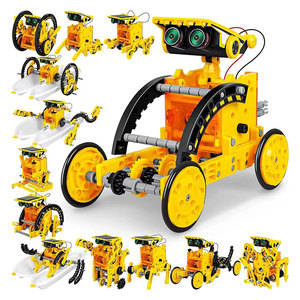
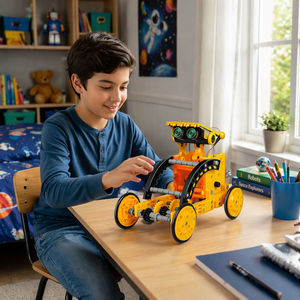
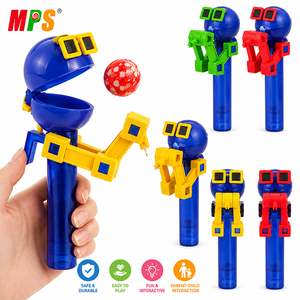
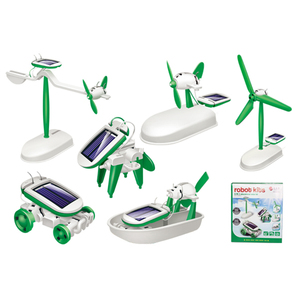
Engineering Capabilities: Bridging Toy Mechanics & Smart Electronics
Operating from our deep supply-chain ecosystem in Shenzhen, we solve the classical friction points between soft tactile materials, rigid mechatronics, and safety regulations.
Synchronized Mechatronics
Seamless coordination between structural gearings, micro-steppers, and chassis injection molds. We engineer tolerance parameters to eliminate gear grinding and power inefficiency in continuous play routines.
Embedded Microelectronics
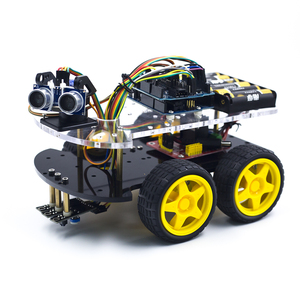
From native Arduino UNO R3 compatible motherboards to custom PCBA assemblies featuring voice decoders, BLE 5.2 modules, and ambient light sensors engineered specifically for low thermal dissipation.
Regulatory Compliance Built-In
Every design is mapped against global child safety standards upfront. We conduct pre-testing for EN 71, ASTM F963, CPSIA phthalates, IEC 62115 electrical toy safety, and strict lithium battery transport criteria.
Future Procurement Trends in Kids Robot Toy Manufacturing (2025–2030)
The global juvenile consumer robotics segment is undergoing an unprecedented architectural shift. Buyers and product heads must navigate new hardware horizons to protect profit margins.
1. Edge AI Micro-Models
Procurement is transitioning away from rigid, pre-recorded audio chips toward lightweight offline Edge-AI Natural Language Processing (NLP). This allows expressive companion toys to interact dynamically without cloud exposure, mitigating COPPA and GDPR data breach vulnerabilities.
2. Photovoltaic & Battery Independence
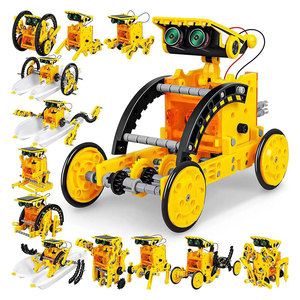
Mounting consumer resistance to non-replaceable battery waste is accelerating orders for multi-axis monocrystalline solar architectures. Modern solar kits must now operate under typical domestic ambient LED lighting (500 lux) rather than requiring direct harsh noon sunlight alone.
3. Modular Graphical-to-C++ Code
Toy robotics buyers are demanding extended commercial longevity. Products must bridge the educational divide, scaling progressively from tactile, snap-on biomechanical gearboxes to Scratch drag-and-drop programming, and culminating in full open-source Arduino IDE coding suites.
4. Hybrid Collectibles & Desktop Mecha
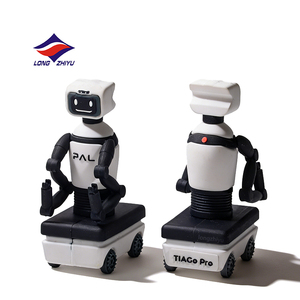
The explosive rise of "Kidult" demographics has blurred the line between educational toys and art collectibles. High-detail 3D rubber figures and Cyberpunk cyborg aesthetics require tooling capable of sub-millimeter injection tolerance, dual-tone paint sprays, and display-grade finish.
Technical Architecture Selection Guide for Sourcing Teams
Align your target shelf pricing, unit margins, and safety compliances with the appropriate hardware foundation.
| Platform Architecture | Primary Power Mechanism | Target Demographic | Critical Compliance Scope | Ideal Retail Positioning |
|---|---|---|---|---|
| Biomechanical Solar Kits | Monocrystalline Photovoltaic Cells | Ages 6-12 (STEM Education) | EN 71 Parts 1-3, ASTM F963 Physical Hazard | High-volume educational gifting, museum stores, mass retail chains |
| Programmable Arduino Robotics | 18650 Li-ion / 4x AA Battery Arrays | Ages 10-16+ (Secondary Education) | IEC 62115, UN38.3, RoHS, CE-EMC Class B | Specialty hobbyist outlets, coding academies, consumer direct STEM kits |
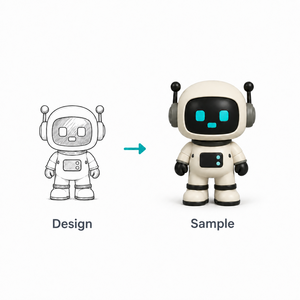
| Smart Plush & Expressive Bots | Lithium Polymer (Li-Po) with PCM | Ages 3-8 (Early Development) | ASTM F963 Flammability, FCC Part 15, COPPA / GDPR | Premium interactive lifestyle toys, preschool educational retail |
| Collectible PVC / Vinyl Cyber Mecha | Passive / Micro-LED Coin Cell Array | Ages 8-Adult (Designer / IP Toy) | REACH SVHC, Heavy Metals Non-Toxic, CPSIA Lead | Licensed IP pop-culture shops, designer toy conventions, boutique retail |
Frequently Asked Questions for B2B Robotic Toy Buyers
Direct answers to technical, commercial, and logistic concerns encountered during OEM/ODM execution.
Transform Your Smart Robotic Vision into High-Volume Reality
Consult with our engineering directors today. Whether you require bespoke mold fabrication, embedded control PCB development, or private-label catalog distribution, our engineering hub is standing by.
Inquire Now