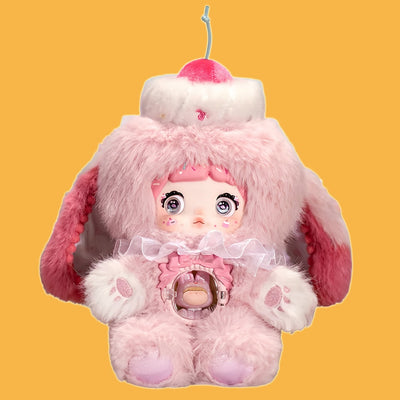
Electronic Toy Modules Engineered for Global Smart Toy Brands
Precision-engineered voice sound chips, mechanical movement boxes, multi-zone touch sensors, and low-power AI companion hardware built for high-scale OEM/ODM manufacturing.
From Standalone Hardware to Finished Interactive Toys
Benefit from complete vertical integration: our Shenzhen engineering facility handles PCB design, tooling, injection molding, and final plush sewing under one roof.
Shenzhen Manufacturing HubOperated directly by Shenzhen Atp Intelligent Electronics Co., Ltd.
Rigorous Safety ComplianceIEC 62115, EN 71, ASTM F963-23, and CPSIA certified layouts
Full-Stack Hardware OEM/ODMCustom ASIC, microcontrollers, SMT line & tooling
Direct Factory EngineeringTechnical consultation & rapid sample validation
Technical Sourcing Guide 2026
Next-Generation Electronic Toy Modules: Engineering, Acoustic Optimization & Safety Compliance
The global intelligent and interactive toy industry is transitioning rapidly from basic sound chips to sophisticated micro-electronic ecosystems. As brands build increasingly lifelike companion animals, conversational AI characters, and multi-sensory educational toys, the engineering demands placed on embedded electronic toy modules have expanded exponentially.
Modern toy procurement teams and toy hardware developers no longer treat electronics as an afterthought dropped inside a sewn shell. An unshielded motor or an uncalibrated sound chip can result in muffled audio, thermal accumulation inside polyester fiberfill, premature battery drain, or catastrophic mechanical failure under drop-impact testing. At Shenzhen Atp Intelligent Electronics Co., Ltd., we bridge the complex gap between microelectronics and physical toy construction.
Our multidisciplinary engineering teams oversee every stage of hardware architecture: from initial Printed Circuit Board Assembly (PCBA) routing and Voice-Over-Data microcontroller programming to acoustic chamber acoustic impedance matching and high-torque, low-noise gear transmission. Operating in Shenzhen—the epicenter of global microelectronics and precision component tooling—we empower global toy brands, retail licensees, and distributors to build reliable, compliant, and cost-effective interactive toy lines that scale seamlessly from pre-production pilot runs to multi-million-unit mass production.
Whether your technical brief calls for a cost-effective 30-second squeeze-triggered voice box, a re-recordable USB Type-C module with secure audio playback, a 3-axis mechanical breathing movement box, or a connected Wi-Fi/Bluetooth voice recognition engine with off-line wake-word verification, our modular hardware platforms can be customized to match your exact mechanical envelopes, operating voltages, and target unit economics.
Review our complete module architectures below, explore emerging procurement trends shaping the industry toward 2030, and consult our engineering matrix to discover how Shenzhen Atp Intelligent Electronics Co., Ltd. protects your brand reputation through certified international toy compliance.
Standard & Custom Electronic Toy Modules for OEM/ODM Buyers
Field-proven hardware building blocks designed for high acoustic clarity, low battery standby current, and drop-resistant mechanical integrity.
Multi-Channel Toy Sound Modules
Pre-programmed OTP (One-Time Programmable) and flash-memory sound chips integrated with 28mm–40mm Mylar cone drivers. Designed with custom acoustic resonant cavities to prevent audio attenuation when embedded deep within plush batting. Supports button, squeeze switch, and light-sensor triggers.
High-fidelity condenser microphone modules equipped with digital noise reduction and secure EEPROM flash storage. Available in push-to-record handheld styles or dual-core MCU architectures capable of offline speech-synthesis, interactive voice pitch-shifting, and voice-repeating mimicry algorithms.
Drop-in mechanical chassis housing durable POM/nylon gearboxes and micro-servos. Engineered to generate synchronized rhythmic movements such as pet breathing expansions, ear twitches, wagging tails, head nodding, and lifelike heartbeat pulses with minimal operating acoustic noise.
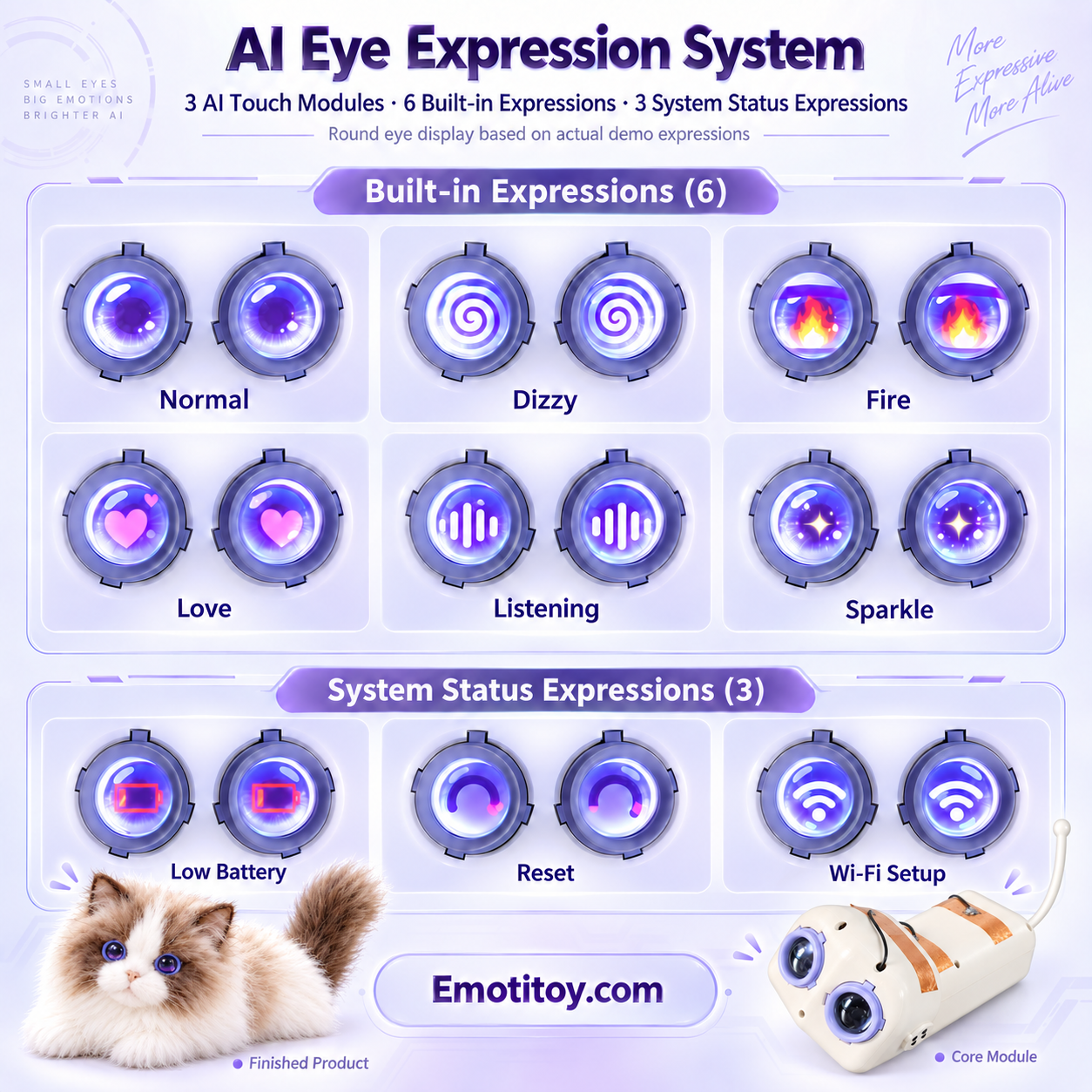
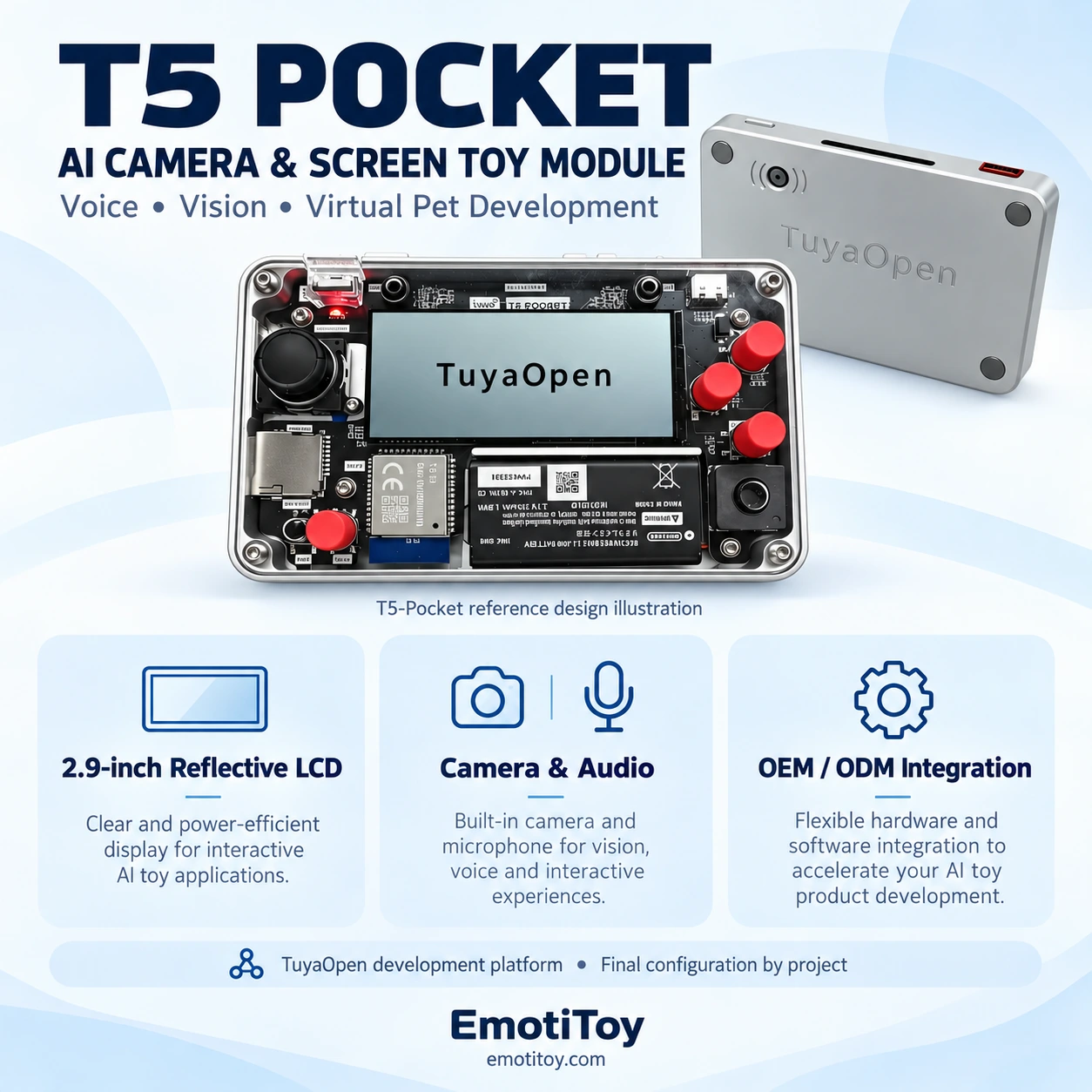
Integrated circular and rectangular IPS/AMOLED display modules paired with graphics microcontrollers. Pre-loaded with dozens of expressive emotive eye animations, blinking algorithms, and interactive pupil adjustments driven by touch or gyro inputs for next-generation smart robot toys.
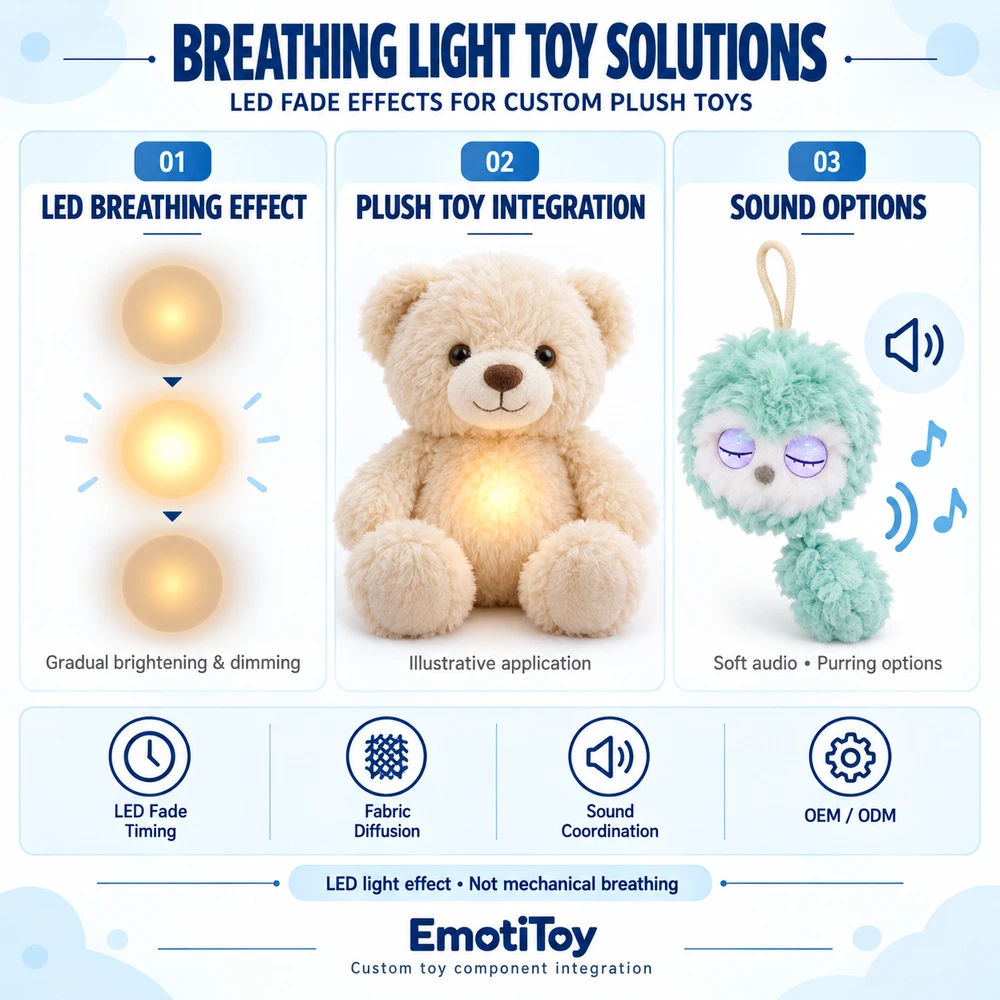
Multi-electrode capacitive touch sensing arrays coupled with PWM-controlled soothing breathing light strips. Capable of sensing human touch across thick layers of synthetic fur, silicone, or plush fabric. Perfect for infant sleep aids, emotional support companions, and sensory soothing toys.
Future Procurement Trends: Where Toy Electronics Sourcing is Heading (2026–2030)
In-depth analysis of supply chain evolution, sustainable component regulations, and hardware-level AI adoption for global enterprise buyers.
POWER ARCHITECTURE
Transition to Standardized Type-C & LiFePO4
Global environmental mandates—specifically the European Union's Battery Directive and Ecodesign for Sustainable Products Regulation—are accelerating the phase-out of non-rechargeable button cells (AG10/AG13) and loose primary batteries. Sourcing teams are shifting to embedded, tamper-proof Li-Po or safer LiFePO4 battery modules managed by integrated USB Type-C charge controllers featuring built-in over-voltage and thermal shutdown protections.
EDGE-AI COMPUTING
Zero-Latency Offline NPU Architectures
Data privacy regulations (COPPA, GDPR-K, California SB-327) and erratic internet connectivity in children's bedrooms have created heavy demand for edge-computing voice modules. Rather than streaming raw children's audio to cloud servers, modern modules employ low-power edge microcontrollers with neural processing units capable of executing localized speech recognition, wake words, and pitch detection 100% offline.
ACOUSTIC ISOLATION
Modular Cavities & Ingress Protection
Importers are demanding modular "drop-in" electronic capsules with standardized IP54 dust and saliva ingress protection. In plush assembly, encapsulating the speaker driver, microphone, and PCBA in a sealed ABS sonic chamber prevents textile fibers from choking the diaphragm, ensuring consistent acoustic resonance and eliminating manual alignment variability on the assembly line.
CIRCULAR DESIGN
Eco-Friendly Resins & Modular Recyclability
Leading European and North American brands now require electronic toy modules engineered for circular end-of-life recovery. At Shenzhen Atp Intelligent Electronics Co., Ltd., we develop snap-fit and fastener-retained module enclosures using post-consumer recycled (PCR) ABS and halogen-free PCB laminates, allowing consumers or recyclers to quickly separate the electronic core from plush textiles.
Planning your next product roadmap for upcoming toy regulations?
Our firmware and hardware engineers can audit your current BOM and optimize your electronic modules for tomorrow's compliance benchmarks.
Engineering Note: Sound decibel output for infant and children's toys is strictly capped by international safety regulations (ASTM F963 sets strict limits at 85 dB continuous SPL at 50cm for standard toys and tighter limits for close-to-the-ear items). Shenzhen Atp Intelligent Electronics Co., Ltd. calibrates every audio amplifier resistor network to guarantee laboratory compliance before mold release.
Enterprise Manufacturing Advantages
Shenzhen Atp Intelligent Electronics Co., Ltd.: Integrated Electronics & Toy Craftsmanship
Headquartered in Shenzhen, Guangdong, Shenzhen Atp Intelligent Electronics Co., Ltd. was established to eliminate the chronic friction between soft toy factories and electronics subcontractors. When electronic modules are designed without understanding fabric compressibility, fiber batting friction, and drop-impact dynamics, smart toy projects suffer from muffled speakers, severed lead wires, and battery compartment failures.
We solve this by operating an integrated design-through-production ecosystem. Our internal electronic R&D engineering laboratory houses PCB layout designers, acoustic enclosure specialists, firmware programmers, and mechanical gearbox mold makers. In parallel, our soft toy prototyping workshops design plush skins and internal module anchoring pockets simultaneously, verifying fit, ergonomics, acoustic clarity, and heat dissipation from the very first physical sample.
Direct Shenzhen Supply Chain Supremacy: Rapid component sourcing for authentic ICs, miniature speakers, precision motors, and certified safe lithium cells.
Strict Quality & Safety Compliance: Pre-validated designs for ASTM F963, EN 71, IEC 62115, CE RED, and FCC certifications with accredited lab testing.
IP Protection & Confidentiality: Strict non-disclosure protocols, isolated firmware programming rooms, and custom IC encryption to safeguard client audio and algorithms.
In-line functional acoustic, current, and stress testing across all modules
Shenzhen
Located in the heart of the world's leading microelectronics capital
Zero-Risk
Built-in thermal fuses, reverse polarity keys, and child-safe screw latches
OEM/ODM
Custom PCB architectures, custom enclosure molds, and branded production
Proven Engineering Process
The Engineering & Sourcing Workflow: Concept to Mass Production
How Shenzhen Atp Intelligent Electronics Co., Ltd. manages your electronic toy module projects with systematic engineering checkpoints.
PHASE 01
Requirement Specification & DFM
We review your functional brief, target acoustic SPL, battery life expectations, dimensions, and sensory triggers. Our engineers conduct a Design For Manufacturing (DFM) review to optimize circuit architecture and avoid costly mold tooling revisions.
PHASE 02
PCBA Prototyping & Tooling
Rapid SMT prototype sample fabrication, audio sound burning, and 3D enclosure mockup. We test acoustic resonance, mechanical gear torque, and button trigger sensitivity to deliver an engineering prototype within 10 to 14 business days.
PHASE 03
Lab Pre-Testing & Tooling Release
Modules are subjected to thermal rise testing under continuous load, 1.5-meter concrete drop impacts, battery short-circuit stress, and acoustic verification. Once approved, steel injection molds for enclosures and automated SMT jigs are fabricated.
PHASE 04
Mass Production & In-Line QC
Automated SMT PCB population, ultrasonic plastic enclosure sealing, and 100% computerized audio frequency/distortion analysis. Finished modules are carefully packaged in anti-static ESD trays for global sea/air container dispatch.
What Our Engineers Need for Your Module Quote
To provide an itemized engineering quote within 24 to 48 hours, sharing these parameters allows Shenzhen Atp Intelligent Electronics Co., Ltd. to recommend the optimal balance of unit price and electrical performance.
Physical Enclosure Constraints (L x W x H mm)
Audio Duration (seconds/minutes) & Memory Type
Preferred Battery Type (Alkaline vs. Rechargeable Li-Po)
Target Market Compliance (EN 71, ASTM F963, IEC 62115)
Estimated Order Quantities (Initial Batch & Annual)
Packaging Method (Bulk ESD Pallet vs. Individual Blister)
Production Portfolio
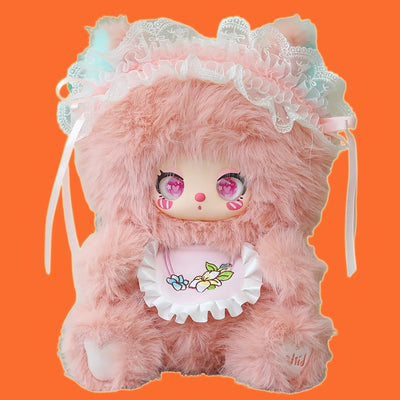
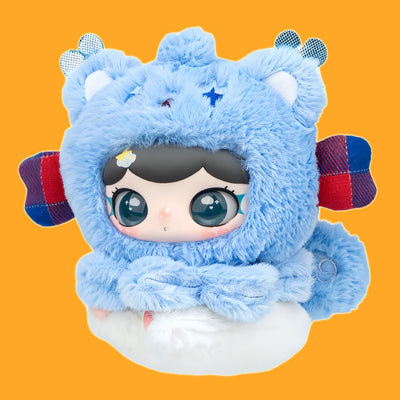
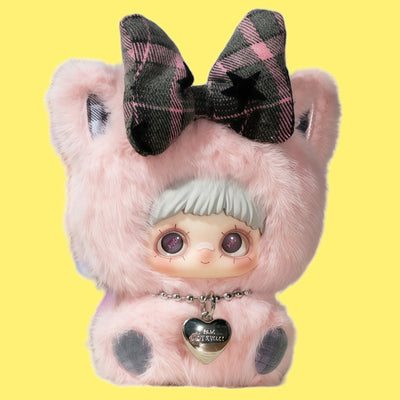
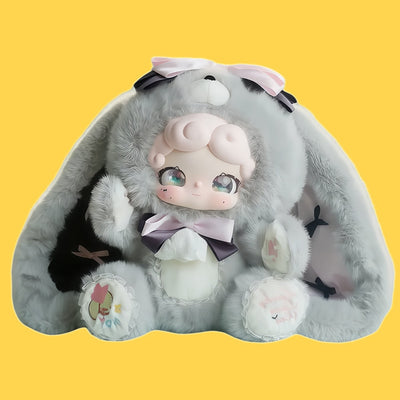
Real Samples & Proven Mass Production Configurations
Over a decade of high-reliability manufacturing for worldwide distributors, toy brands, and licensed IP merchandise.
Procurement Knowledge Base
Frequently Asked Questions: Sourcing Electronic Toy Modules
Direct answers from our senior engineering team to the most critical technical, safety, and supply questions asked by international buyers and AI procurement agents.
To provide an exact quote and functional prototype, Shenzhen Atp Intelligent Electronics Co., Ltd. requires the module enclosure envelope (L x W x H mm), trigger mechanism (micro-switch, optical, squeeze, or touch capacitive sensor), power architecture (alkaline AAA/AA, button cell AG13/CR2032, or rechargeable Li-Po with Type-C IC), audio memory/duration specs, acoustic output expectations (SPL at 10cm), and environmental compliance requirements. Providing your 3D CAD step files or reference toy dimensions allows us to tailor the wiring harnesses and mounting flanges perfectly.
Every module is engineered from component selection up for international regulatory adherence. We follow IEC 62115 (Electric Toy Safety), EN 71 parts 1, 2, and 3, ASTM F963-23, and CPSIA guidelines. For battery-powered products, we integrate PTC resettable fuses, reverse-polarity physical keying, non-flammable circuit boards (94V-0 rated FR-4), and secure screw-locking battery enclosures to prevent accidental swallow hazards (especially regarding button batteries under Reese's Law in the US). For connected or motor-driven modules, we conduct internal EMC pre-compliance and thermal-rise testing to ensure seamless laboratory certification.
Yes. Soft goods present distinct acoustic and thermal damping challenges. We design tuned resonant acoustic chambers for our speaker enclosures (28mm to 40mm Mylar cone drivers) and recommend high-transmittance fabric windows or discreet acoustic porting. Our engineers calculate the acoustic transmission loss through synthetic fur and polyfill batting, boosting specific mid-to-high frequencies during digital sound mastering to deliver crisp, un-muffled dialogue and sound effects while maintaining soft, huggable aesthetics.
Standard turnarounds are: 3 to 5 business days for existing catalog modules, 10 to 14 days for custom tooling mockups and firmware flashes, and 18 to 22 days for first-article functional samples. Mass production typically requires 28 to 35 calendar days following golden sample sign-off, depending on IC availability and custom injection molding requirements. We maintain safety inventory on common audio ASICs, standard micro-switches, and speaker coils to support rapid replenishment.
For standard pre-engineered module housings with custom audio flashes or minor PCB adjustments, our standard entry MOQ starts at 1,000 to 2,000 units. For fully bespoke OEM designs requiring new injection tooling, specialized ASIC bonding, and custom gearboxes, production runs generally start at 3,000 to 5,000 units. We offer flexible pilot batch runs for crowdfunded hardware launches and licensed IP market validation.
We execute a rigorous multi-stage quality assurance system comprising IQC on incoming raw ICs and passives, Automated Optical Inspection (AOI) on all SMT PCB runs, 100% in-line functional audio and current draw acoustic/electrical testing, accelerated mechanical life cycling (continuous 5,000-cycle switch and motor stress tests), and pre-shipment AQL 1.0/2.5 inspections. We issue comprehensive Certificate of Conformity (CoC) reports with every dispatched batch.
Direct Factory Engineering Support
Ready to Engineer Your Custom Electronic Toy Modules?
Partner directly with Shenzhen Atp Intelligent Electronics Co., Ltd. for turnkey electronic toy module development. Share your target dimensions, sound requirements, sensory functions, and target delivery schedule today.