Advanced Interactive Robotic Systems & Smart Modules
Precision-engineered smart toys with plug-and-play AI modules designed for Polish brand retail lines, educational institutes, and e-commerce distribution.
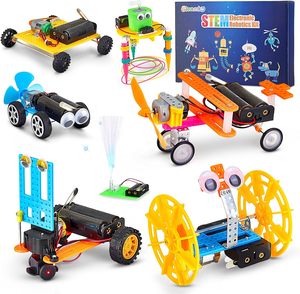
STEM Kits for Kids Robot Building Kit Science Experiments DIY Educational Toys
- Hands-on Circuit & Gear Assembly
- Non-toxic ABS Polish School Standard
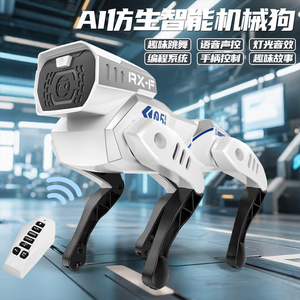
Children's Toys Water Bomb Eight-wheeled Robot Dog AI Gesture Sensor Climbing
- Somatic Gesture Control Band
- Omnidirectional 8-Wheel Climbing
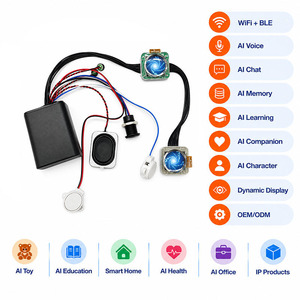
AISK AI Module Solution for Toy Robot With Dynamic Eye Display LLM OTA ODM
- Dual-Microphone Noise Cancellation
- Embedded LLM Multilingual Engine
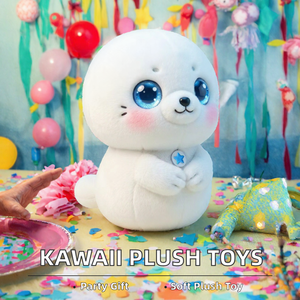
Kawaii Big Eyes AI Plush Toys, Smart Moving Eyes Interactive Stuffed Animals
- Bionic Moving Ocular Actuation
- Child-Safe Hypoallergenic Shell
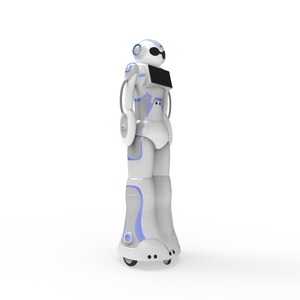
Artificial Intelligence Commercial & Exhibition Interactive Humanoid Robots
- Facial Expression Display Panels
- Autonomous Navigation & Welcoming
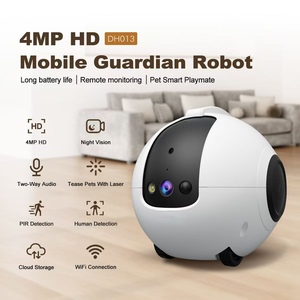
ChongxinIOT Smart Pet Camera Robot 4MP 10000mAh Auto Recharge 360° Move
- Ultra HD 4MP Night-Vision Tracking
- Self-Docking Charging Cradle
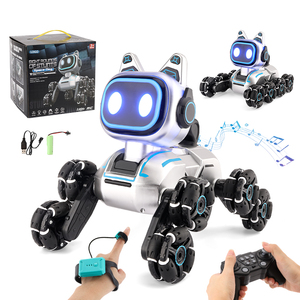
Eight Wheeled Remote Control Electric Pets Gesture Sensing Mini Rc Stunt Robot
- Dynamic Stunt Roll & Drift Mechanics
- 2.4GHz Anti-Interference System
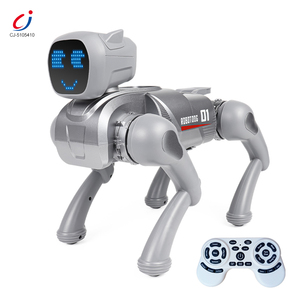
Chengji Ai Intelligence Robot Smart Learning APP Remote Control Robot Dog
- Graphical Scratch Programming Interface
- Bionic Voice & Stunt Response
Engineering Intelligent Play: The Strategic Sourcing Paradigm for Poland
A comprehensive analysis of consumer behavior shifts, statutory safety directives, and embedded technology architectures shaping the Polish smart toy ecosystem.
The Evolution of Poland's Smart Toy Ecosystem: Market Realities & Sourcing Vectors
Poland has emerged as the pivotal economic engine of the Central and Eastern European (CEE) toy industry. With sustained growth in real disposable income, urban middle-class families in Warsaw, Kraków, Wrocław, Poznań, and the Tricity area (Gdańsk, Gdynia, Sopot) demonstrate a pronounced shift toward high-value, educational play items. Traditional playthings are increasingly superseded by items that integrate cognitive learning, natural language interaction, and sensory stimulation. For Polish toy importers, private-label brands, and hypermarket distributors like Biedronka, Smyk, and Auchan Polska, this development is both a substantial commercial opportunity and a major technical challenge.
The contemporary Polish buyer does not view smart toys merely as novel gadgets. Instead, toys are scrutinized as early developmental instruments. As part of this trajectory, parents and educators actively seek STEM and STEAM-certified products that align with the national educational emphasis on algorithmic logic, early programming skills, and foreign language proficiency. Sourcing from a reliable original equipment manufacturer (OEM) and original design manufacturer (ODM) based in the hardware capital of Shenzhen—such as AItoyplays, operated by Shenzhen Atp Intelligent Electronics Co., Ltd.—bridges this gap, connecting high-precision manufacturing directly with the specific functional expectations of Polish retail programs.
To successfully capture market share in Poland, smart toys must resolve classic cross-disciplinary engineering failures: mechanical rigidity within soft character bodies, acoustic degradation of high-gain microphones muffled by polyester plush filling, and erratic motor power consumption. AItoyplays engineers resolve these structural conflicts directly on the factory floor by concurrently tailoring fabric patterns, internal silicone acoustic dampeners, and battery sub-housings from the initial rapid prototype.
Localized Application Scenarios Across Poland
Identifying key consumer environments and institutional channels where smart toys drive tangible engagement and high repeat-purchase loyalty.
Polish Bilingual Kindergartens (Przedszkola)
Kindergartens throughout Mazowieckie and Małopolskie actively integrate voice-enabled AI plush and desktop STEM kits. Configured with dual-channel Polish-English conversational modes, these units act as interactive dialogue facilitators, enhancing phonemic awareness and interactive vocabulary without exposing children to passive, high-stimulation tablet screens.
Allegro & Empik Omnichannel Retail
E-commerce merchants leveraging Allegro and physical bookshop/concept store operators like Empik require retail-ready unboxing experiences. Products such as our 8-wheeled gesture-controlled robot dogs and Kawaii Big-Eye AI plush stand out on crowded product pages due to visually distinctive ocular movement and clear differentiation from generic plastic toys.
Holiday Gifting & Seasonal IP Merchandising
From Mikołajki (St. Nicholas Day) in early December to Easter and First Holy Communion gifting spikes, seasonal sales dictate product turnover. Our factory delivers customizable, private-label firmware flashed with Polish bedtime stories, carols, and folk legends, transforming ordinary plush animals into cherished family keepsakes.
Macro Trends Shaping the Polish Smart Toy Industry
Key regulatory developments, hardware paradigm changes, and software localization imperatives that B2B buyers must navigate in 2026 and beyond.
Privacy-by-Design & COPPA/GDPR Compliance
In accordance with Urząd Ochrony Danych Osobowych (UODO) protocols and the EU AI Act, Polish consumers are acutely protective of children's privacy. Toy lines are rapidly discarding permanently active cameras in favor of local edge-computing modules or secure, tokenized cloud servers with parental authorization switches.
Integration of Modular "Drop-In" AI Movement Boxes
Toy manufacturers and distributors are steering away from monolithic, bespoke tooling. Instead, they increasingly favor standardized mechanical core platforms—such as the ATP Movement Box—allowing an existing soft plush line to be upgraded into an interactive robotic pet without reinvesting in new master plush cutting molds.
Shift Toward Rechargeable Type-C Power Architectures
Single-use alkaline battery setups are falling out of favor in the European Union under ecological sustainability pressures. Polish buyers expect integrated lithium-polymer batteries with universal USB Type-C charging ports, internal short-circuit protection boards (PCM), and durable thermal shut-off mechanisms compliant with IEC 62133.
Why European Brands Partner with Shenzhen Atp Intelligent Electronics
Combining the world's most agile electronics manufacturing supply chain with dedicated European B2B account management.
Plush Construction + Electronic Engineering
We eliminate the traditional friction between soft-goods sewing plants and electronics suppliers. Our internal engineering teams design fabric chambers, wiring routings, speaker resonance cavities, and heat dissipation profiles simultaneously, ensuring structural durability.
Direct Shenzhen Component Access
Headquartered in Shenzhen, Guangdong, our factory operates within immediate reach of top-tier sound chipmakers, high-precision stepper motor producers, and sensor specialists. This guarantees consistent procurement pricing and rapid turnaround for component modifications.
Proven Development Platforms
Leverage our pre-tested, mass-production-ready development architectures—such as the AI Smile Face series, AISK AI Module solutions, and programmable bionic robotic chassis—to shorten your product time-to-market by up to 60% compared to ground-up development.
Rigorous Quality Gates & Testing
Every production lot undergoes rigorous drop testing, needle detection inspection, seam strength pulling tests, tensile stress tests on ocular mechanisms, and 100% electronic QA functional cycling prior to packaging and palletization.
European CE, RoHS & RED Compliance
We don't leave testing to chance. From initial design reviews to coordinating testing with accredited labs (SGS, TÜV Rheinland, Intertek), we provide comprehensive Declaration of Conformity (DoC) paperwork required by Polish customs and commercial authorities.
Fluent English B2B Engineering Support
No linguistic ambiguity or communication delays. Our dedicated international account directors and technical support engineers provide structured milestones, prototype verification reviews, and regular factory status reports tailored to your procurement schedule.
Comprehensive EU Regulatory Compliance Matrix
A reference checklist for Polish quality control inspectors, product managers, and compliance officers.
| Regulatory Standard | Governing Scope | Engineering Implementation at ATP Factory | Compliance Status |
|---|---|---|---|
| EN 71-1, 2, 3 | Mechanical, physical, flammability & heavy metal migration | Torque/tension-tested eye fixtures, flame-retardant plush batting, lead- and phthalate-free pigments. | Factory Certified |
| EN IEC 62115 | Electric toy safety, heating, and battery performance | Low-voltage DC isolation, flame-retardant internal plastic cages, and protected thermal cutouts. | Fully Tested |
| RED Directive (2014/53/EU) | Radio Equipment Directive (Wi-Fi, Bluetooth, 2.4GHz RF) | EMC shielding on motor drives, pre-scanned antenna layouts, harmonic suppression below CE limits. | Pre-Validated |
| RoHS & REACH | Hazardous chemicals & SVHC restrictions in components | 100% lead-free SMT lines, safe silicones, non-toxic PVC, and eco-certified packaging materials. | Standard Procedure |
| GDPR / EU AI Act | Data privacy, cloud audio transmission & edge processing | Local processing options, secure tokenization, hardware microphone cut-off switches, zero child voice logging. | Compliant Architecture |
Frequently Asked Sourcing Inquiries (Poland & EU)
Straightforward answers regarding minimum order quantities, logistics to Poland, customs clearance, and firmware localization.
Ready to Scale Your Smart Toy Line in the Polish Market?
Connect with our technical engineering team in Shenzhen today. We provide upfront technical reviews, unit cost estimates, and comprehensive B2B product catalogs tailored to European retail requirements.
Get Catalog