
Technical Whitepaper: Integrating Non-Verbal AI Eye Expression Systems in Modern HRI
Human-Robot Interaction (HRI) in consumer electronics, eldercare robotics, and enterprise concierge devices has evolved rapidly from simple audial output to nuanced multivariable non-verbal communication. In high-density innovation ecosystems such as Seattle, Bellevue, and Redmond, where artificial intelligence software architectures lead the globe, the physical embodiment of software interfaces represents the ultimate customer-retention frontier.
As veteran manufacturers based in Shenzhen with a direct supply and logistical artery serving Washington State enterprise clients, Shenzhen Atp Intelligent Electronics Co., Ltd. (AItoyplays) engineers eye expression modules that bridge the critical chasm between cloud inference engines (such as AWS Bedrock, Microsoft Azure Cognitive Services, and OpenAI APIs) and human empathy.
1. Hardware Architecture: Display Density, Optics, and Curved Light Diffusers
The human eye decodes micro-movements, saccades, and pupil adjustments within 15 milliseconds. Traditional mechanical iris mechanisms fail due to cyclical motor fatigue, noise levels, and high power draw. Our systems implement custom round and ellipsoidal AMOLED displays alongside miniature multi-layer IPS arrays protected by anti-glare, optical-grade acrylic lenses:
- Optical Geometry: Wide-angle viewing cones (>160°) ensure natural eye contact whether the user is seated or standing, eliminating the uncanny angle cutoff common in off-the-shelf consumer screens.
- Thermal Dispersion Inside Sealed Enclosures: When micro-panels operate within closed plush or silicone robotics shells, excessive thermal buildup compromises lithium polymer batteries. Our modules leverage anodized aluminum heat spreaders and low-quiescent-current microcontrollers to keep surface heat safely below 38°C (conforming strictly to ASTM F963 touch-temperature thresholds).
- Dynamic Refresh & Gamma Adjustment: Ambient light photo-sensors instantly communicate through I2C to modulate luminance from 5 nits (for bedside/soothing interaction) up to 800 nits (for high-contrast retail or open-office environments).
| Module Class | Display Technology | Latency (Gaze Shift) | Primary Application Context | Compliance Matrix |
|---|---|---|---|---|
| AMOLED Precision Eye | Dual 1.2"–1.4" Round AMOLED (454x454) | < 28ms | Premium Social Robots, Enterprise Desk Assistants | FCC Part 15B, CE-RED, RoHS, UL62368 |
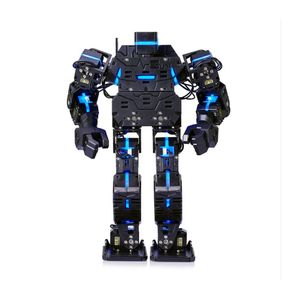
| IPS Expressive Duo | Dual 1.54" Square IPS with Anti-Glare Dome | < 40ms | Educational Bipeds, STEM K-12 Robots | ASTM F963, EN 71, CPSIA Total Lead |
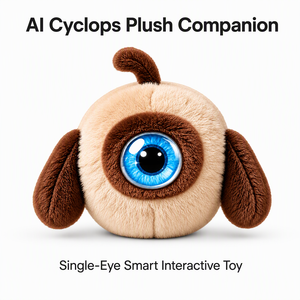
| Matrix Micro-Pixel | 64x64 or 32x32 RGB Micro-LED Array | < 15ms | Plush Robotic Companions, Tactile Sensory Toys | IEC 62115, Prop 65, EN 62115 Electric Safety |
| Mechanical-Digital Hybrid | OLED Iris + Micro-Servo Eyebrow Linkage | < 50ms | Therapy Animals, Elder-Care Responsive Bots | ISO 13485 (Subcomponent Level), CE Toy Safety |
2. Algorithmic Empathy: Low-Latency Eye Tracking and Saccadic Movement
True life-likeness relies not on static digital looping, but on calculated organic randomness. Our custom firmware builds mathematically accurate saccades (rapid involuntary eye movements), pupil dilation triggered by conversational engagement metrics, and micro-blinks designed to simulate living bio-systems. Operating via UART, SPI, or USB to your central CPU/MCU (such as ESP32-S3, Raspberry Pi Compute Module 4, or Rockchip RK3588), our lightweight graphics command library relieves main processors of demanding frame-by-frame rendering tasks.
3. Seattle & Pacific Northwest Localized Use Scenarios
Why do Seattle procurement managers and hardware design firms partner with AItoyplays? The Pacific Northwest hosts unique cross-sections of tech innovation:
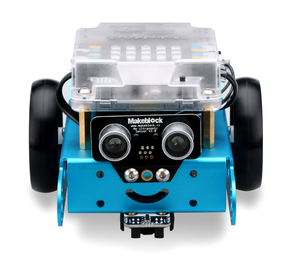
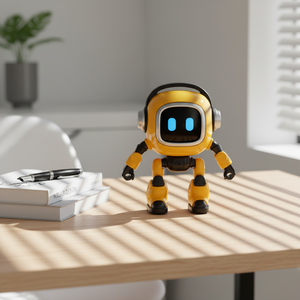
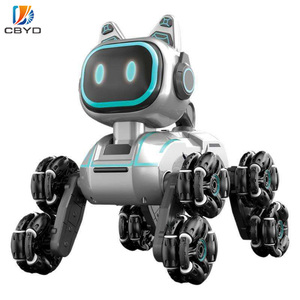
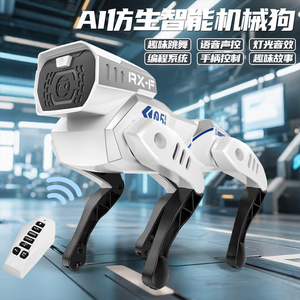
- Next-Gen EdTech in Puget Sound Classrooms: STEM schools in Bellevue and Kirkland utilize our programmable biped and wheeled platforms to teach Python and ROS2, turning eye panels into direct feedback indicators of algorithmic execution.
- Enterprise Voice Assistants for Redmond/Seattle Tech Campuses: Companies deploy customized desktop companions featuring expressive eyes that dynamically signal voice activity, mute status, and meeting transcription states without intrusive audio alerts.
- Pediatric & Senior Care at Leading Healthcare Institutions: Medical centers in Seattle require ultra-safe, hypoallergenic plush companion animals. Our sealed movement boxes and cool-running expressive eyes provide comforting visual presence in clinical and domestic settings.